News Elementor – News WordPress Theme 2023. Powered By BlazeThemes.
World
Yemen Conflict: Fears Grow as Government and Houthis Mobilise Fighters
July 15, 2026
Sanaa:Yemen Conflict has entered a dangerous new phase as the internationally recognised government and Houthi rebels mobilise fighters, raising fears that the country’s fragile truce could collapse after more than four years of relative calm.
Tensions intensified after a flight from Tehran landed in Houthi-controlled Sanaa on July 3, marking the first publicly announced direct flight between Iran and the Yemeni capital in more than a decade.
The following day, heavy fighting erupted in Hodeidah governorate, killing dozens of people in the deadliest clashes since the 2022 ceasefire.
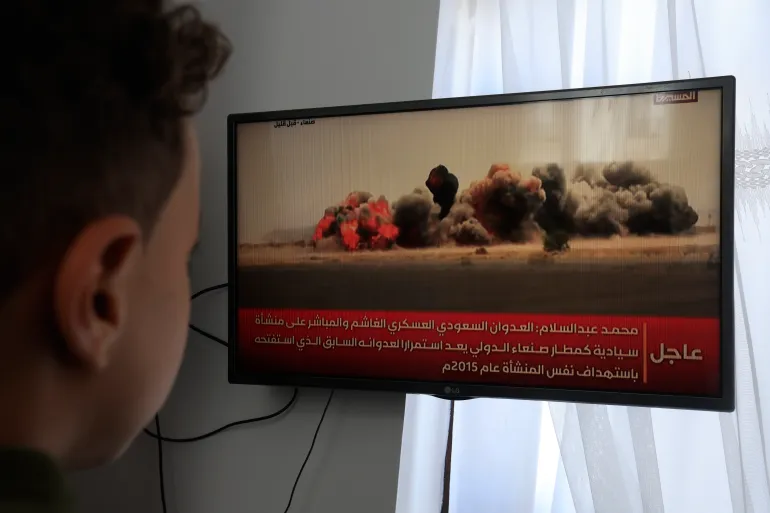
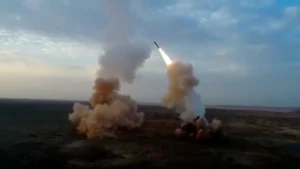
The latest escalation continued on Monday when the Yemeni government bombed the runway at Sanaa International Airport to prevent another aircraft from Tehran from landing. In response, the Houthis launched ballistic missiles towards Saudi Arabia.
Yemen’s Defence Minister Taher al-Aqili said the government’s patience had ended, while Houthi military spokesman Yahya Saree declared that the country’s “de-escalation phase” was over.
Analysts warn that the renewed hostilities could reignite Yemen’s decade-long civil war, particularly as regional tensions rise following the conflict between Iran and the United States.
Researchers say the Houthis have stepped up recruitment campaigns and public mobilisation while increasing warnings against Saudi Arabia, signalling preparations for a broader military confrontation.
Salah Ali Salah, a researcher at the Sanaa Center for Strategic Studies, said the group’s rhetoric suggests it is preparing the public for another phase of war that could affect the wider region.
The Houthis blamed Saudi Arabia for the attack on Sanaa airport despite the Yemeni government’s claim that it carried out the strike.
Security experts warn that the Houthis possess the geographical position and military capability to threaten Gulf states and disrupt shipping through the Red Sea, although further escalation could expose the group to renewed military action by regional and international powers.
The years of relative calm since the 2022 truce have failed to produce a lasting political settlement. United Nations-backed peace proposals that included reopening roads, restoring oil exports and paying public sector salaries have stalled without agreement.
Yemeni analyst Adel Dashela said military action remains a possibility if peace efforts continue to fail, although any large-scale offensive would depend heavily on Saudi Arabia’s position.
The Yemeni government has also accused Iran of using the Houthis to advance its regional influence, pointing to the recent Tehran-Sanaa flights as evidence of continued support.
Meanwhile, senior Houthi official Mohammed al-Bukhaiti warned that attacks on Sanaa airport could prompt retaliatory strikes against Saudi airports.
Despite growing preparations for war, Yemen continues to face one of the world’s worst humanitarian crises. Millions of people suffer from acute food insecurity, millions of children remain out of school, and the country’s economy has deteriorated sharply after years of conflict.
Many Yemenis now fear that renewed fighting will deepen the humanitarian crisis unless rival sides reach a political settlement.










[…] Yemen Conflict: Fears Grow as Government and Houthis Mobilise Fighters […]