The Iran-US conflict intensified on Monday after Tehran launched fresh attacks on American military targets across the Middle East, claimed it had downed a US MQ-9 Reaper drone, and continued strikes against US allies in the Gulf. The latest escalation heightened fears of a wider regional conflict and pushed global oil prices above $90 per barrel.
Iran’s Islamic Revolutionary Guard Corps (IRGC) said it launched a surprise attack on a US special operations command centre near the Al-Tanf military base in southeastern Syria. Iranian state media said the operation avenged the deaths of Iranian soldiers in Iranshahr. The Al-Tanf base, near the borders of Syria, Iraq and Jordan, remains a key hub for US-led military operations.
Iran also said its air defence forces destroyed a US MQ-9 Reaper drone over the southwestern city of Ahvaz. State media reported that the drone crashed after Iranian forces intercepted it. US officials have not confirmed the claim, and independent organisations have not verified the incident.
The latest attacks prompted Gulf states to tighten security. Bahrain’s Interior Ministry said air raid sirens sounded overnight and urged residents to take shelter. Bahrain, which hosts the US Navy’s Fifth Fleet, also said its air defence systems intercepted several incoming aerial threats.
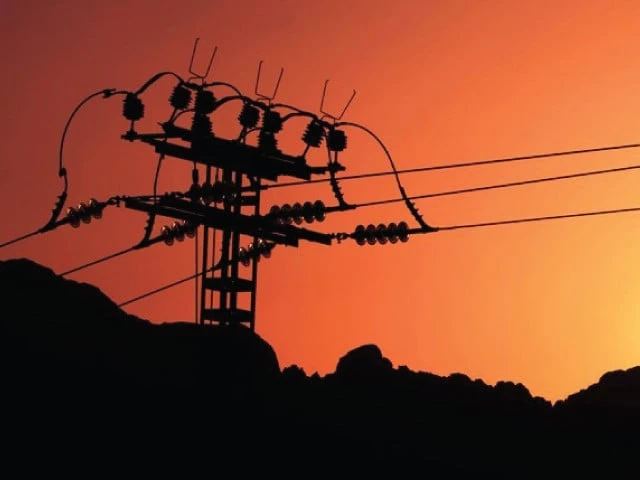
Kuwait reported another attack on a power and water facility that triggered a fire. Jordan said its military intercepted missiles after Iranian attacks near its territory. Israeli and Jordanian forces also intercepted a missile heading towards the Jordanian port city of Aqaba.
World Cup: Argentina and Spain Battle for FIFA World Cup 2026 Glory
The US Embassy in Amman issued a security warning earlier over what it described as a specific and credible threat targeting the city’s port and airport. Jordan later summoned Iran’s chargé d’affaires and protested what it described as continued Iranian aggression.
The conflict also shook global energy markets. Brent crude climbed more than 3% to trade above $90 per barrel, while West Texas Intermediate (WTI) crude posted similar gains. Traders feared that the fighting could disrupt shipping through the Strait of Hormuz, one of the world’s busiest energy corridors.
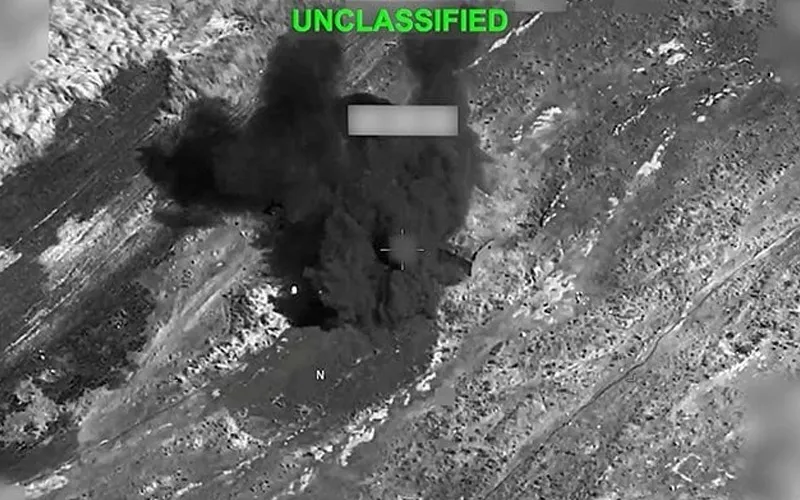
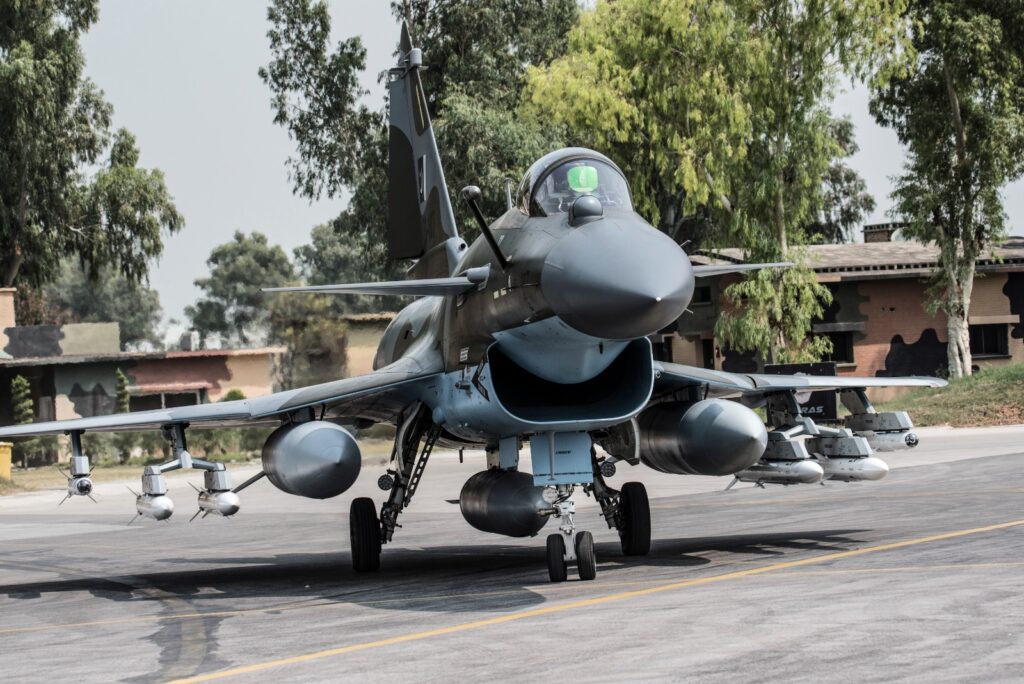
Meanwhile, the US Central Command (CENTCOM) carried out another round of strikes against IRGC positions, extending its military campaign to an eighth consecutive night. Washington said it launched the operations in response to attacks on American personnel and confirmed that 17 US service members have died since fighting began after US and Israeli strikes on Iranian targets on 28 February.
Iran also accused the United States of striking the unfinished Darkhovin nuclear power plant in southwestern Iran and called the attack a violation of international law. The International Atomic Energy Agency (IAEA) said it was reviewing the reports and added that inspectors found no nuclear material at the site during their last inspection. IAEA Director General Rafael Grossi again urged all sides to avoid military action near nuclear facilities.
Iranian Deputy Foreign Minister Kazem Gharibabadi said Tehran would take appropriate measures to protect its national security. Iran’s Health Ministry said the latest fighting had killed 50 people and injured more than 500 others.
Despite diplomatic efforts by international mediators, both Tehran and Washington continued military operations, leaving little sign of renewed negotiations and increasing concerns that the conflict could spread across the wider Middle East.









[…] Iran-US: Tensions Escalate After Fresh Strikes Across the Middle East […]
[…] Iran-US: Tensions Escalate After Fresh Strikes Across the Middle East […]