BEIJING, August 25, 2026: China has urged the United States not to disrupt its economic cooperation with Iran after Washington announced a sweeping new sanctions campaign aimed at isolating Tehran from the global financial system.
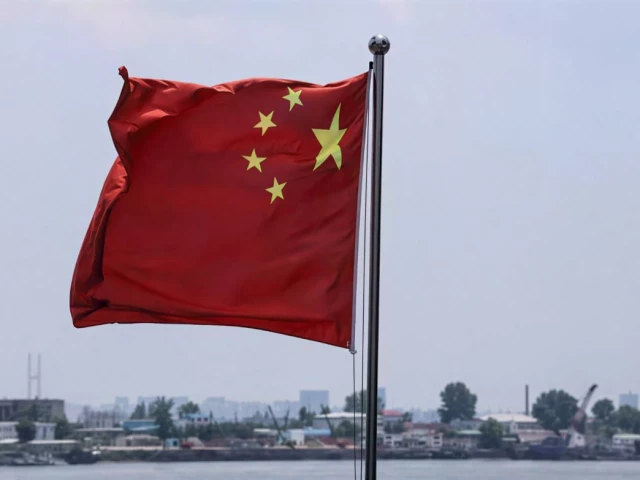
Chinese Foreign Ministry spokesman Lin Jian said Beijing’s cooperation with Iran is conducted within international law. He warned that unilateral economic pressure could create wider risks for the global economy.
“Economic wars and maximum pressure are not the solution,” Lin said at a briefing in Beijing.
He called for the United States and Iran to return to dialogue and negotiations. China, he added, would take measures to protect its legitimate rights and interests.
Beijing Rejects US Pressure Campaign
Washington has launched what US officials have described as “Operation Economic Outcast.” The campaign seeks to cut Iran’s economic links with international markets.
US Treasury Secretary Scott Bessent said Washington wants to sever the economic channels supporting Tehran.
He said countries that continue doing business with Iran could risk losing access to the US dollar-based financial system.
Bessent did not identify which countries would face penalties. He also declined to provide a timetable for enforcement.
China remains one of Iran’s largest oil customers. The two countries maintain a comprehensive strategic partnership that is heavily driven by energy and trade.
Bilateral trade exceeded $41 billion last year.
Iran Warns of Retaliation
Tehran has vowed to respond to the expanded US sanctions.
Iranian Economy Minister Ali Madanizadeh said the country was prepared for the new measures. He accused Washington of attempting to launch an economic attack against Iran.
Iranian officials have also warned that they could target US interests and strategic energy routes if the country’s infrastructure comes under attack.
The Islamic Revolutionary Guard Corps has threatened action against US interests and energy chokepoints if Iran faces further military pressure.
The sanctions come after months of conflict between Iran, the United States and Israel. A previous agreement aimed at ending the war has failed to produce a lasting settlement.
Pakistan Seeks Progress in Iran Talks
Pakistan has continued efforts to mediate between Iran and the United States.
Pakistani officials said recent talks with Tehran made significant progress. Discussions reportedly focused on preventing further escalation and reopening the Strait of Hormuz.
Interior Minister Mohsin Naqvi said Iranian President Masoud Pezeshkian openly presented Tehran’s position during the talks.
The latest diplomatic effort comes as international concern grows over the prolonged conflict and its impact on energy markets.
US Keeps Military Action on the Table
Despite the emphasis on economic pressure, Washington has not ruled out further military strikes.
US Defence Secretary Pete Hegseth said the United States would use military force if necessary.
“If we need to use kinetic strikes, we’ll use them,” Hegseth told reporters after a speech to defence industry workers in Wisconsin.
He said economic pressure was currently causing significant damage to Iran. However, he stressed that military action remained an option.
Hegseth also said the US was not ruling out operations around Iran or the Strait of Hormuz.
He claimed Washington maintained control of the strategic waterway and described the US blockade as “ironclad.”
Oil Prices Recover as Markets Weigh New US Sanctions on Iran
Iran Broadcaster Reports Heavy Damage
Iran’s state broadcaster says more than 50 of its facilities were targeted during the recent conflict with Israel and the United States.
Peyman Jebelli, head of the Islamic Republic of Iran Broadcasting (IRIB), said the broadcaster’s facilities were attacked across the country.
The organisation’s landmark Glass Building in Tehran was also struck. Jebelli said the building suffered more severe damage than during an earlier attack in 2025.
He said two or three floors collapsed after strikes hit two sides of the structure.
Reconstruction work had previously been planned after the earlier attack. However, the latest conflict forced the project to be postponed.
IRIB will now need to allocate resources to repair the Glass Building and other damaged facilities.
Strait of Hormuz Remains a Major Flashpoint
The prolonged conflict continues to threaten one of the world’s most important energy routes.
Only two commodity vessels crossed the Strait of Hormuz on Monday, according to shipping data. That was the lowest daily number recorded since early May.
Before the conflict, the waterway carried around one-fifth of global crude oil and liquefied natural gas flows.
Iran has retained enough missile and drone capability to threaten shipping and US-aligned Gulf states, despite suffering major damage to its conventional military infrastructure.
The uncertainty around the country’s nuclear programme remains another major concern for Washington and its allies.
China’s Oil Trade With Iran Under Scrutiny
China is particularly important to Iran because it has remained the largest buyer of Iranian oil for several years.
Washington has previously pressed Beijing to cooperate with efforts to restrict Iran’s oil trade. However, Chinese officials have rejected unilateral sanctions that lack international legal authority.
Bessent said the United States wanted to give countries and companies time to comply with the new measures.
He also acknowledged the potential consequences of targeting major economies such as China. Asked why Washington had not immediately imposed broader penalties, he questioned whether it was wise to risk destabilising the global financial system.
The issue could become even more sensitive ahead of expected talks between US President Donald Trump and Chinese President Xi Jinping.
Diplomatic Solution Remains Elusive
The latest developments suggest that the conflict remains far from a durable diplomatic settlement.
The United States is increasing economic pressure on Tehran. Iran is threatening retaliation, while China is warning Washington against actions that could damage global trade and financial stability.
At the same time, the Strait of Hormuz remains vulnerable to further disruption.
The coming weeks could therefore determine whether sanctions push Iran toward negotiations or deepen the confrontation between Tehran and Washington.









[…] China Warns US Against Disrupting Iran Trade as Sanctions Escalate […]