WASHINGTON/TEHRAN: Fresh military exchanges between the United States and Iran on Wednesday dealt another blow to diplomatic efforts, as US-Iran tensions escalated with new strikes, retaliatory claims and renewed warnings from both sides.
The latest confrontation has fuelled fears of a broader regional conflict and cast further doubt over prospects for reviving negotiations between Washington and Tehran.
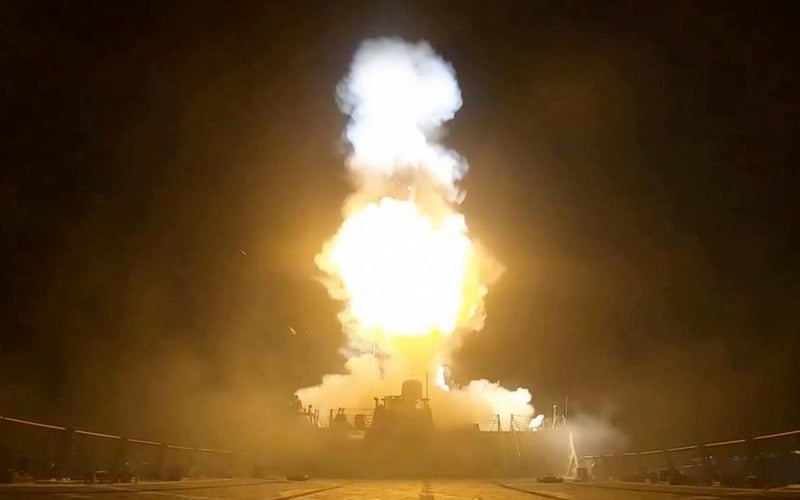
The US military launched a new wave of strikes against Iranian military targets, saying the operation aimed to weaken capabilities that Tehran has allegedly used to threaten commercial shipping in the Strait of Hormuz.
The US Central Command (CENTCOM) said the strikes targeted Iranian air defence systems, missile and drone facilities, coastal surveillance sites and military command centres.
According to CENTCOM, one operation struck coastal defence systems and cruise missile storage facilities on Greater Tunb Island, while another targeted military sites in Bandar Abbas near the Strait of Hormuz.
The US military said the strikes were intended to reduce Iran’s ability to disrupt international shipping and maritime trade.
US President Donald Trump warned Tehran to change its course as tensions continued to rise.
Speaking to reporters, Trump said he would not set a deadline for further action but insisted that Iranian leaders understood Washington’s expectations.
“They better behave,” Trump said, adding that the United States would decide whether to continue negotiations or take additional measures.
He also claimed Iran remained under pressure and suggested that Tehran wanted to reach a settlement.
Iran said it retaliated by targeting US military-related facilities across the region.
Iranian state media reported that drones struck US communication systems and storage facilities in Jordan. Jordanian authorities, however, said their air defence forces intercepted several drones and confirmed that the incident caused neither casualties nor significant damage.
Iran’s top negotiator, Mohammad Bagher Ghalibaf, said Tehran would not remain committed to any agreement that failed to protect the country’s national interests.
He added that Iran considered the Strait of Hormuz central to its national security and said the country would continue pursuing both negotiations and resistance as part of its strategy.
The Strait of Hormuz has become a key flashpoint in the dispute because nearly one-fifth of global oil shipments pass through the waterway.
After Washington renewed restrictions on Iranian ports, Iran’s Islamic Revolutionary Guard Corps (IRGC) warned that further retaliatory measures could disrupt additional oil and gas export routes across the region.
The continuing confrontation has already disrupted shipping activity, pushed global oil prices higher and raised fresh concerns about international energy security.
Despite the military escalation, Trump welcomed Iran’s release of an American citizen, describing the move as a positive development.
He said Dena Karari, whom Washington considers to have been wrongfully detained, had safely left Iran and was returning to the United States. Her lawyer also confirmed her release.
However, the latest exchange of attacks has overshadowed that development, with analysts warning that continued military escalation could further undermine diplomatic efforts and increase instability across the Middle East.