/ Sep 17, 2026
Trending
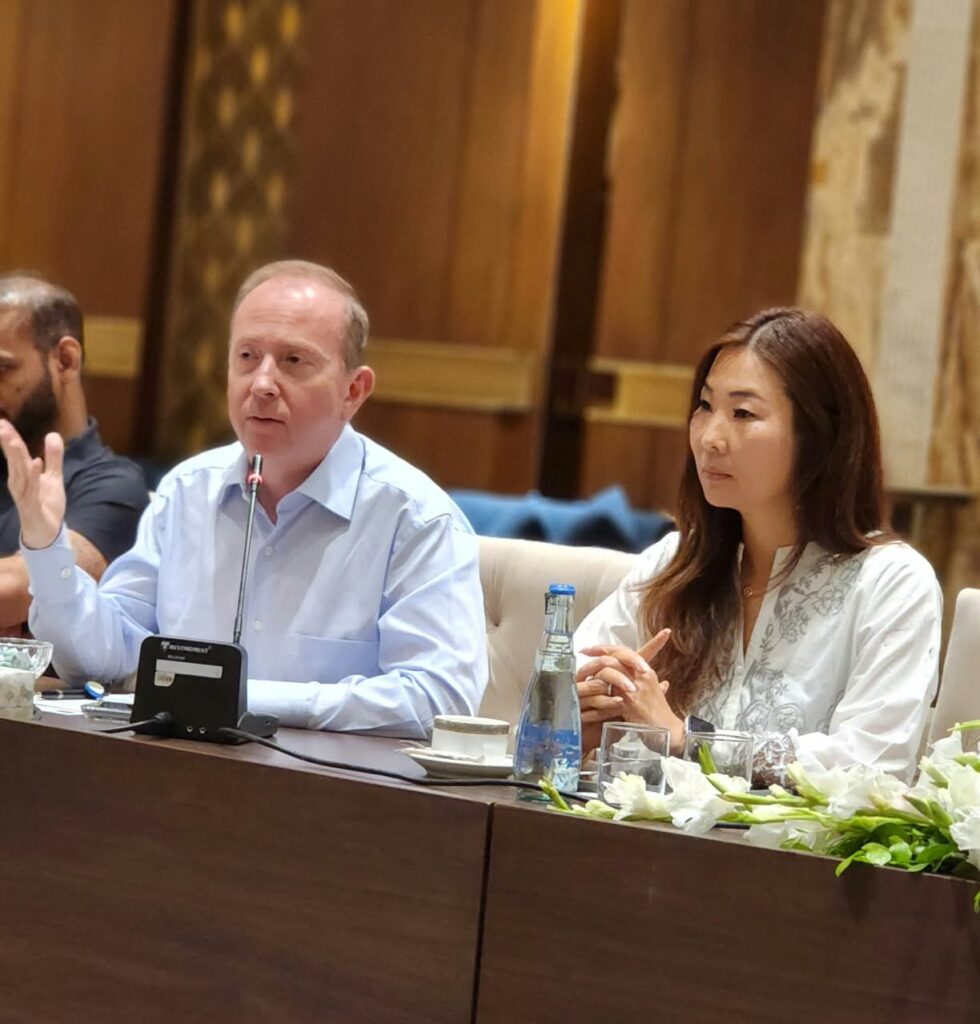
Pakistan should adopt science-based regulation of smoke-free alternatives as part of a broader strategy to reduce smoking-related harm, senior Philip Morris International (PMI) officials said on Monday.
Speaking at a media briefing in Islamabad, PMI officials cited stagnant quit rates, smoking-related diseases and tobacco deaths as reasons for stronger regulatory action.
They said nearly 164,000 people die from tobacco-related causes in Pakistan each year, while millions of adults continue to use tobacco products.
PMI cited data from the Global Adult Tobacco Survey 2024, which showed that 24.1% of smokers attempted to quit during the previous 12 months.
That figure has changed little from 24.7% recorded in 2014.
According to the figures cited by PMI, around 22.7 million people currently use tobacco in Pakistan, including approximately 14 million adults who smoke.
PMI officials argued that these figures show the need for policies that encourage smokers to quit while maintaining strong protections for young people.
Alexey Kim, Senior Director of Corporate Affairs and International Campaigns at PMI, said smoking remains a major public health concern.
He said policymakers should focus on reducing smoking while ensuring effective youth protection and regulatory oversight.
K-Electric Teams Respond After Fire Damages KWSC Cables Near Dhabeji
Kim argued that regulators should distinguish between different nicotine products based on their relative risks.
“Cigarettes remain the most harmful because they involve combustion,” he said.
He also called for strict quality standards for any nicotine products sold to adults.
Kim said regulators must prevent unregulated markets from expanding. He also stressed the need for effective enforcement.
Retail compliance, supply-chain monitoring, product surveillance and age verification should form part of the regulatory system, he said.
Tomoko Lida, Senior Director of Scientific Engagement for South Asia, India, CIS and MEA at PMI, said nicotine and cigarette smoke have different effects.
She said most smoking-related diseases result from toxic chemicals produced when tobacco burns.
Removing combustion changes the chemical profile of the emissions, Lida said.
She argued that regulated smoke-free alternatives could offer another option for adults who continue to smoke despite understanding the health risks.
However, she stressed that people who do not smoke should not start using tobacco or nicotine products.
The PMI officials also referred to international examples when discussing smoke-free products.
They cited Japan, where adult smoking prevalence fell by 45% between 2014 and 2023 following the adoption of heated tobacco products.
They also pointed to Sweden, where daily smoking rates stand at around 5%, among the lowest levels in Europe.
PMI further cited a 2026 decision by the US Food and Drug Administration involving ZYN nicotine pouch products.
The company said the FDA authorised a modified-risk claim for the products after a scientific review.
The PMI officials said regulation alone cannot reduce smoking-related harm without effective enforcement.
They called for strong controls over product quality, retail sales, supply chains and access by minors.
Kim said youth should not use tobacco or nicotine products under any circumstances.
Lida said the long-term objective should remain a reduction in smoking and tobacco-related deaths.
“The ultimate goal remains fewer people smoking and fewer lives lost,” she said.
She added that smokers should quit, while adults who would otherwise continue smoking should have access to properly regulated alternatives.
The comments come amid an ongoing debate over how Pakistan should regulate emerging nicotine products while addressing the country’s persistent tobacco-related health burden.

Copyright © 2026 99News. All Rights Reserved.










[…] Philip Morris Calls for Science-Based Tobacco Regulation in Pakistan […]