Islamabad, August 12, 2026: Pakistan’s federal government debt has climbed to Rs83.6 trillion, highlighting the growing pressure on the country’s finances despite a sharp increase in government revenues over the past four years.
The State Bank of Pakistan (SBP) released its debt bulletin for fiscal year 2025-26 on Tuesday. The figures cover the direct debt burden of the federal government.
The government’s debt increased by Rs5.8 trillion, or 7.3%, during the latest fiscal year. The total stood at Rs77.8 trillion at the end of June 2025.
The latest figure excludes some loans from the International Monetary Fund (IMF) and certain bilateral creditors. The central bank records those liabilities separately on its balance sheet.
The SBP plans to release the complete public debt position next month.
Compared with June 2022, federal government debt has increased by Rs35.8 trillion. The rise represents a cumulative increase of about 75% over four years.
The debt increased even as federal revenues expanded substantially. Ministry of Finance data show that gross federal revenues rose by 107% during the same period before the government transferred provincial shares under the National Finance Commission (NFC).
Government expenditure also increased by 66%. A significant portion of that spending went towards areas that fall within provincial responsibilities.
Higher debt servicing costs have remained a major factor behind the government’s growing financial needs. Social protection programmes and development spending have also kept expenditure elevated.
The government has also continued to finance ministries and development projects involving devolved or provincial subjects.
Pakistan remained under IMF programmes during much of the period. The government also increased taxes and other revenue measures.
These measures included higher petroleum levies and additional taxes on salaried individuals, the real estate sector and companies.
Despite the revenue increase, the government has struggled to contain its financing requirements.
Ishaq Dar Condemns Houthi Attack That Killed Three Pakistanis in Red Sea
The rupee’s appreciation against major foreign currencies helped slow the growth of the debt burden. The Finance Ministry also maintained tighter controls over civil government spending.
However, the ministry relaxed those controls on some occasions and issued supplementary grants.
The debt-to-GDP ratio will become clearer once the SBP publishes the complete public debt figures.
Pakistan’s Fiscal Responsibility and Debt Limitation Act requires the government to reduce public debt by between 0.5% and 0.75% of GDP each year until the ratio reaches 50% by 2032-33.
The government remains above the statutory debt limits.
High debt servicing costs have also reduced the fiscal space available for productive investment. Interest payments consume a large share of the federal budget.
The government has allocated more than Rs8 trillion for debt servicing during the current fiscal year. Provinces will also receive Rs8.8 trillion under the NFC award.
The country’s financing requirements remain another major concern. Pakistan’s gross financing needs stand between 20% and 23% of GDP.
For a developing economy, financing needs around 15% of GDP generally remain more manageable.
The latest SBP figures show that domestic debt remains the largest component of the federal government’s liabilities.
Domestic debt rose from Rs54.5 trillion in June 2025 to Rs59.5 trillion in June 2026. The increase amounted to Rs5 trillion, or 9.1%.
External debt also increased during the year. It rose from Rs23.4 trillion to Rs24.2 trillion, an increase of about Rs783 billion.
The rupee’s appreciation against the US dollar helped limit the increase in the rupee value of external debt.
Pakistan relies heavily on concessional loans from bilateral and multilateral lenders for its external financing.
However, the growing share of short-term borrowing has increased refinancing risks. This trend could place additional pressure on the country’s future financing requirements.
Fixed-rate borrowing accounts for about two-thirds of Pakistan’s external debt portfolio.
Pakistan’s fiscal position remains vulnerable to economic and geopolitical shocks. The ongoing conflict in the Middle East could create additional risks through higher energy prices, weaker external conditions and increased pressure on the country’s balance of payments.
The latest debt figures underline the challenge facing policymakers: Pakistan has significantly increased government revenues, but rising interest costs, expenditure and financing needs continue to push the federal debt burden higher.











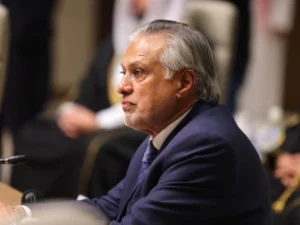

[…] Pakistan’s Federal Debt Climbs to Rs83.6 Trillion Despite Revenue Surge […]