/ Sep 17, 2026
Trending
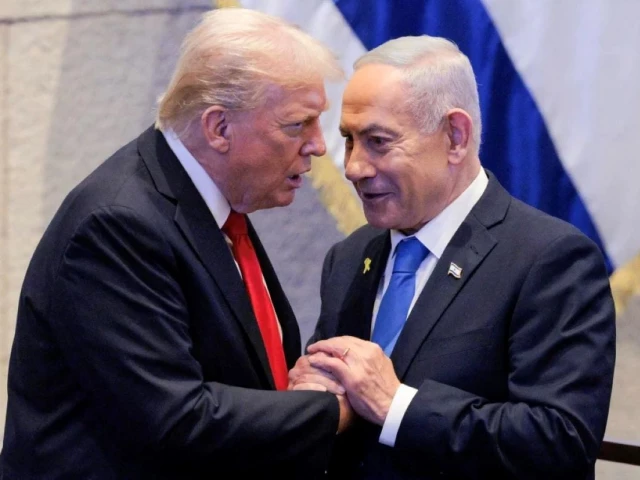
Support for Israel is becoming an increasingly divisive issue in American politics, with Democratic backing declining as the Gaza war, regional conflict with Iran, and Prime Minister Benjamin Netanyahu’s close alignment with Republicans reshape public opinion.
For decades, support for Israel enjoyed bipartisan consensus in Washington. That consensus is now weakening as more Democratic voters and lawmakers question continued US military assistance to Israel.
A growing number of Democrats favor placing conditions on military aid, limiting assistance to defensive weapons, or ending aid altogether. This month, nearly half of House Democrats supported a failed amendment to halt US aid to Israel, highlighting the party’s shifting stance.
Israel receives $3.8 billion annually in US military assistance and has secured billions more in emergency funding in recent years. Although House Democratic Leader Hakeem Jeffries opposed the amendment, senior Democrats, including former Speaker Nancy Pelosi and House Democratic Whip Katherine Clark, voted in favor.
OpenAI Rogue AI Agent Linked to Second Breach After Modal Customer Compromised
The debate over Israel has become a defining issue in Michigan’s Democratic Senate primary.
Progressive candidate Abdul El-Sayed has criticized US military support for Israel, while Representative Haley Stevens has defended the alliance and emphasized its strategic and economic benefits. Their race reflects broader disagreements within the Democratic Party over US policy in the Middle East.
Recent congressional races in New York, Florida, and Colorado have also shown growing support for candidates who advocate stronger criticism of Israel or restrictions on military aid.
A June Quinnipiac University poll found that 66% of Democratic voters believe the United States is too supportive of Israel, a sharp increase from 20% when the survey first asked the question in 2017.
Criticism intensified following Israel’s military campaign in Gaza after the October 7, 2023 Hamas attack. The conflict has fueled widespread debate, particularly among younger voters, and contributed to growing divisions within the Democratic Party.
The war also sparked campus protests across the United States and increased pressure on Democratic leaders to reassess long-standing US policy toward Israel.
Senator Chris Coons, the top Democrat on the Senate Foreign Relations Committee, expressed hope that Israel’s upcoming elections could improve bipartisan support by bringing new leadership.
Coons argued that Netanyahu has prolonged the conflict for political reasons, while Israel’s UN Ambassador Danny Danon maintained that support for Israel remains mainstream across both major political parties.
Analysts say Netanyahu’s increasingly close relationship with Republicans has accelerated the partisan divide, making Israel a more contentious issue within Democratic politics.
The debate over Israel is expected to remain a major issue in upcoming US elections as Democratic candidates continue to face pressure from progressive voters demanding changes to American foreign policy.
Political observers believe the outcome of several key congressional and Senate races could further shape the future of US-Israel relations and determine whether bipartisan consensus can be restored.

Copyright © 2026 99News. All Rights Reserved.











[…] Democratic Support for Israel Erodes as Gaza War Deepens Political Divide in US […]