/ Sep 17, 2026
Trending
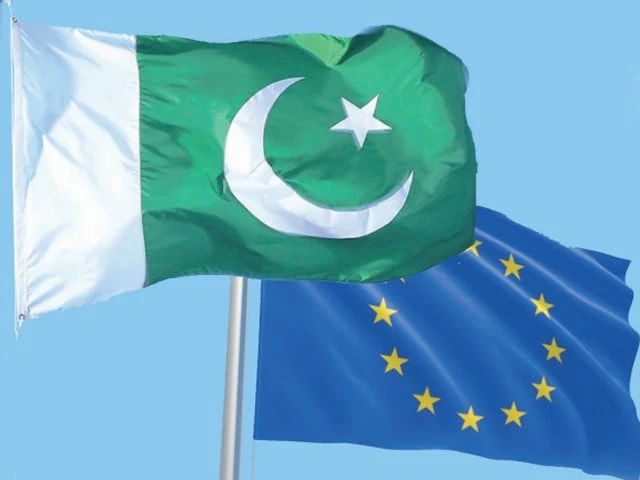
Pakistan has received a mixed assessment from the European Union under the GSP+ preferential trade scheme, with the latest report recognizing progress on reforms while highlighting concerns over governance, human rights, judicial independence, and media freedom.
The report acknowledges improvements in Pakistan’s human rights framework, including stronger institutions, the establishment of a National Commission for Minorities, the implementation of the Anti-Torture Act, efforts to combat gender-based violence, and the continued de facto moratorium on executions. However, it also raises concerns about political rights, judicial independence, enforced disappearances, freedom of expression, media freedom, and the enforcement of laws related to blasphemy, counterterrorism, and cybercrime.
The EU stressed that legislative reforms alone are not enough. Pakistan must effectively implement international commitments, especially as the bloc’s revised GSP+ framework takes effect on January 1, 2027, introducing stricter sustainability and governance requirements.
The GSP+ scheme has significantly benefited Pakistan’s exports. In 2024, the country exported goods worth approximately €7.5 billion under the program, while tariff preferences saved exporters an estimated €732 million. The arrangement gives Pakistan preferential access to European markets without requiring reciprocal tariff concessions.
Pakistan Warns India Against ‘Adventurism’ Over Kashmir Remarks
Despite these benefits, experts argue that Pakistan should view GSP+ as a temporary bridge rather than a permanent trade strategy. Since the scheme remains conditional, the EU can suspend trade preferences if Pakistan fails to meet its obligations. It can also remove competitive products from the scheme, making long-term reliance risky.
Analysts also note that GSP+ primarily targets economically vulnerable countries. As Pakistan seeks sustainable economic growth, it should aim to transition toward comprehensive free trade agreements instead of depending on unilateral trade preferences.
The National Tariff Policy 2025–30 and ongoing tariff reforms could strengthen Pakistan’s position in future trade negotiations. Lower tariffs and a more competitive economy may help the country secure broader trade agreements with major partners, similar to recent deals pursued by India, Indonesia, Thailand, Malaysia, and the Philippines.
Trade experts believe Pakistan should now focus on graduating from GSP+ by expanding exports, diversifying industries, and integrating more deeply into global markets through comprehensive free trade agreements.

Copyright © 2026 99News. All Rights Reserved.





[…] EU GSP+ Report Urges Pakistan to Turn Trade Preferences into Long-Term Growth […]