Saudi Arabia has rolled over Pakistan’s $3 billion cash deposit, Finance Minister Muhammad Aurangzeb confirmed, ensuring the country’s foreign exchange reserves remain stable.
Speaking to reporters after a meeting of the Senate Standing Committee on Finance on Thursday, Aurangzeb gave a brief response when asked about the deposit, saying: “We are all good on that.”
The three-month deposit matured earlier this week after Saudi Arabia extended the loan in April to help Pakistan repay debt owed to the United Arab Emirates (UAE).
Under Pakistan’s $7 billion International Monetary Fund (IMF) programme, Saudi Arabia, China and the UAE committed to maintaining a combined $12.5 billion in cash deposits with the State Bank of Pakistan until the IMF programme ends in September next year. After the UAE reduced its support, Saudi Arabia increased its exposure to $8 billion to bridge the gap.
Government sources said Pakistan is exploring options to extend the maturity of its short-term external debt while restructuring repayments linked to energy projects developed under the China-Pakistan Economic Corridor (CPEC).
Rohan Dennis: Ex-Olympic cyclist pleads guilty to driving while disqualified
Pakistan has also asked Saudi Arabia to provide a $6.7 billion deferred oil financing facility over 15 years to strengthen the country’s energy security amid renewed tensions in the Middle East.
The State Bank’s gross foreign exchange reserves currently stand at $18.5 billion, providing import cover for about three months.
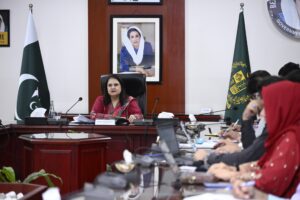
During the same Senate committee meeting, lawmakers also discussed staffing shortages in the Benazir Income Support Programme (BISP), where more than 1,300 positions remain vacant, representing nearly 38% of the organisation’s approved workforce.
Aurangzeb argued that the Finance Committee should not examine the issue and said the matter belonged before the poverty committee. He also opposed fresh recruitment, saying the government’s plan to digitise the programme’s Rs838 billion annual payments would reduce the need for additional staff.
BISP Chairperson Senator Rubina Khalid disagreed, saying the programme has not recruited new employees since 2014. She warned that long-term reliance on officials serving on deputation had created operational and institutional challenges.
Khalid said BISP still requires dedicated staff to manage its expanding responsibilities despite the shift to digital payments. Aurangzeb maintained that digital wallets would improve transparency, efficiency and service delivery for beneficiaries.
The committee ultimately referred the recruitment issue to the austerity committee, which will review the staffing requirements before making a recommendation.