/ Sep 16, 2026
Trending
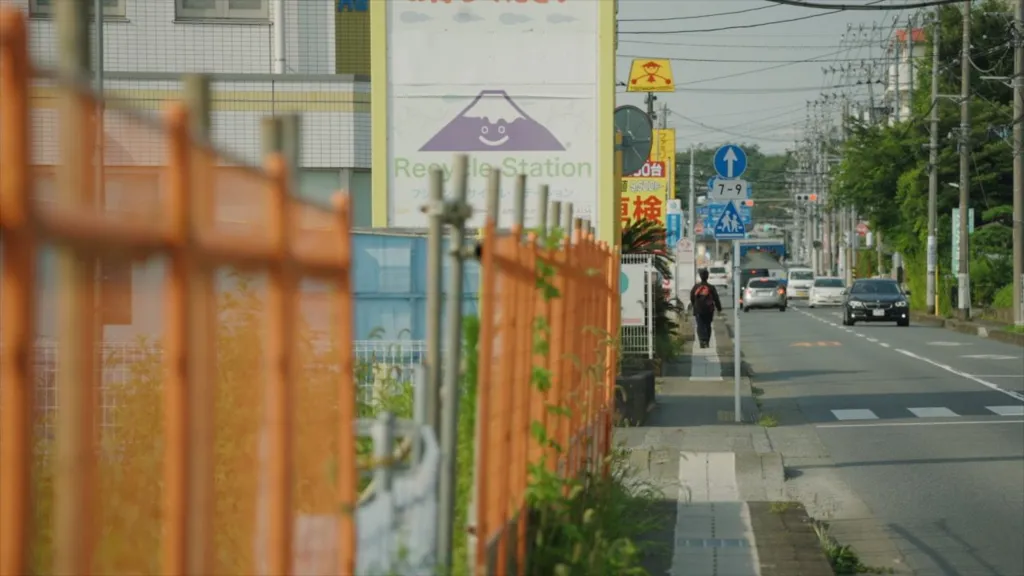
TOKYO: Japan Mosque debates have intensified after plans to build the first mosque in the coastal town of Fujisawa triggered protests, divided local opinion, and renewed discussion about immigration, religious diversity, and Japan’s changing identity.
The proposed mosque will replace an open field in Fujisawa, about an hour south of Tokyo. While some residents welcome the project as a sign of a more inclusive society, others fear it could alter the character of their community. The controversy has highlighted broader concerns as Japan increasingly relies on foreign workers to offset a shrinking and aging population.
Long-time resident Noriko Izumizawa said the project made her anxious about how her town might change. She added that debates over immigration in the United States and Europe had also influenced her concerns. Although she admitted she had never experienced problems with Muslim neighbors, she said she feared the unknown.
Michael B. Jordan Steals Spotlight at Spider-Man: Brand New Day Premiere in Surprise Appearance
More than 100 words into the discussion, Japan Mosque concerns have become part of a wider national conversation. Earlier this year, thousands of people joined protests near Fujisawa Station to oppose the project. Some critics argued that a mosque larger than a nearby Shinto shrine would disrespect local traditions. Social media also amplified tensions through misinformation, hate speech, and abusive messages directed at mosques, prompting anti-hate groups to organize counterprotests.
Not everyone opposes the development. Hiroki Suzuka, who manages a coffee shop near the construction site, called for greater understanding rather than confrontation. He said local residents should learn more about Islam and engage with Muslim communities before forming opinions.
Members of Japan’s Muslim community say public attitudes have become more hostile in recent years. Mohamed Mohideen, a Sri Lankan businessman who has lived in Osaka since 1987, said online abuse and verbal harassment have increased. He recalled being told to leave Japan and hearing Muslims falsely described as terrorists.
Despite those experiences, Mohideen said he has never feared for his safety. He believes many Japanese people simply know little about Islam. He also acknowledged that Muslim communities share some responsibility for the lack of understanding because they focused more on work than community engagement for many years.
Shakeel Mohamed, who represents the Yashio Mosque in Saitama Prefecture, said Muslims living in Japan make every effort to respect local customs. He emphasized the importance of following Japanese laws, sorting waste correctly, observing parking regulations, and showing courtesy to neighbors. He said only a small minority of foreign residents behave irresponsibly and stressed that every community includes both good and bad individuals.
Japan’s Muslim population has expanded rapidly in recent years. According to research by Waseda University professor emeritus Hirofumi Tanada, the number of Muslims in Japan reached approximately 420,000 by the end of 2024, compared with 230,000 in 2019. At the same time, Japan’s foreign resident population surpassed four million in 2025, while the country’s overall population continued to decline.
The Japanese government still avoids describing the country as an immigration nation. Instead, it continues to rely on temporary visa programs to fill labor shortages. Prime Minister Sanae Takaichi’s administration has also adopted stricter immigration measures, including higher visa fees, stronger enforcement against visa overstays, and proposals to increase staffing at the Immigration Services Agency.
As immigrant communities continue to grow, Japan faces a difficult balancing act. The country must address labor shortages while preserving the social cohesion and cultural identity that many citizens value. The debate unfolding in Fujisawa reflects a broader national question about how Japan will adapt to a more diverse future.

Copyright © 2026 99News. All Rights Reserved.









[…] Japan’s Mosque Debate Reflects Growing Questions Over Immigration and National Identity […]