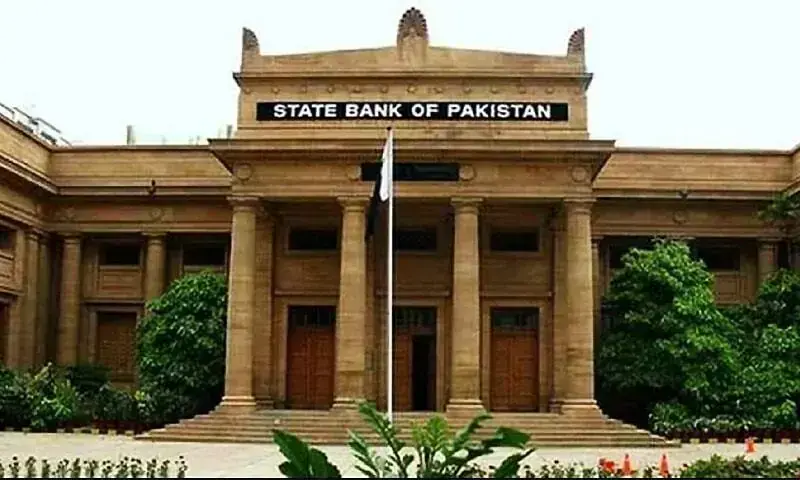
The State Bank of Pakistan (SBP) is unlikely to meet its inflation target, financial experts and analysts said.
Consumer Price Index inflation reached 10.3% in September. The rise is expected to increase pressure on businesses, industries and households.
Tight Monetary Policy Expected
Experts believe the SBP will avoid cutting interest rates to support economic activity.
Instead, the central bank may maintain a tight monetary policy to promote what officials describe as sustainable growth.
Pakistan has recorded economic growth of around 3% to 3.7% in recent years. Critics say this pace does not create enough jobs or reduce widespread poverty.
Amir Aziz, a textile manufacturer and exporter, said Pakistan needed a broader economic policy to encourage domestic investment.
He said high energy costs and double-digit inflation were hurting existing industries and discouraging new investment.
Energy Costs Hurt Competitiveness
Mohammad Hasham, who recently returned to Pakistan after 25 years in Bangladesh’s textile industry, highlighted the difference in energy costs.
He said electricity costs about 7 to 8 cents per unit in Bangladesh. In Pakistan, the cost ranges from 14 to 16 cents, according to him.
IEA Says 325 Million Barrels Released Amid Energy Crisis
Hasham said the gap gives Bangladeshi exporters a competitive advantage.
He also warned that persistent inflation was hurting industries, investors and consumers.
Inflation Could Stay Above Target
Tresmark Chief Executive Faisal Mamsa said authorities expect inflation to average about 7.5% if oil prices fall towards $80 a barrel.
He said inflation could average around 8.2% if oil prices remain near $100.
Mamsa said officials expect inflation to ease after December. They also believe the current 11.5% policy rate remains appropriate.
However, several analysts expect the SBP to reconsider its policy rate because inflation remains above 10%.
T-Bill Yields Signal Rate Concerns
The government recently raised cut-off yields by up to 75 basis points at a Treasury bill auction.
The one-year T-bill yield reached 12.49%.
The higher return on government securities may indicate expectations of a possible increase in the SBP policy rate.
The next Monetary Policy Committee meeting is scheduled for October 26.
Rupee Helps Contain Imported Inflation
Mamsa said the stable rupee has helped limit imported inflation.
He added that higher domestic fuel prices could reduce demand and imports.
The International Monetary Fund continues to emphasise a more market-based exchange rate.
Mamsa said policymakers appeared reluctant to risk another surge in imported inflation.
However, he said a market-based exchange rate does not automatically mean a weaker rupee.
Strong remittances, improving foreign exchange reserves and a manageable current account could support currency stability, he added.










[…] Inflation SBP May Miss FY27 Mid-Term Target as Prices Rise […]