/ Sep 16, 2026
Trending
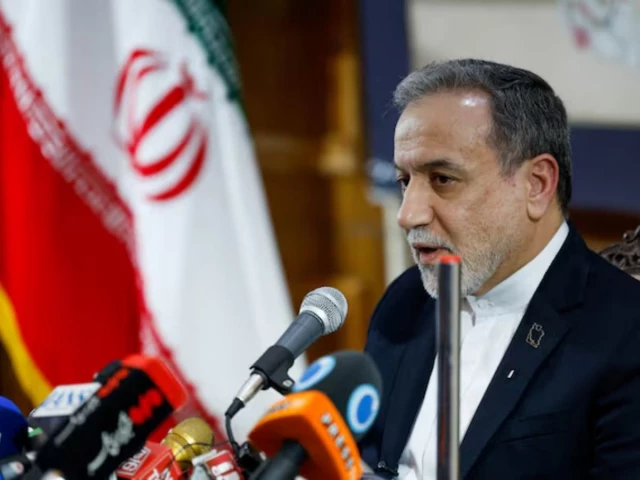
DUBAI: Hormuz remained a focal point of Middle East tensions on Tuesday as Iran stepped up diplomatic engagement while the United States expressed cautious optimism about renewed negotiations despite ongoing security concerns and drone attacks.
Iranian Foreign Minister Abbas Araghchi held separate telephone talks with Saudi Foreign Minister Faisal bin Farhan and Omani Foreign Minister Badr Albusaidi on Monday. According to Iran’s Foreign Ministry, the leaders discussed bilateral relations, recent regional developments, and efforts to strengthen diplomatic cooperation aimed at promoting stability across the region.
The diplomatic contacts came hours after Saudi Arabia said it intercepted drones launched by Iran-backed groups in Iraq. The drones reportedly targeted key petroleum facilities. Riyadh condemned the attacks and warned that it reserved the right to respond.
Pakistan–Türkiye Medical Tourism Partnership Takes Shape with New Strategic MoU
As regional tensions continued to grow, Hormuz became the central point of concern. Iranian officials reaffirmed that Tehran maintains control over the Strait of Hormuz, one of the world’s most important energy shipping routes. At the same time, Yemen’s internationally recognized government accused the Iran-backed Houthi movement of trying to mirror Iran’s maritime strategy by announcing a blockade targeting Saudi Arabia in the Red Sea.
Yemen’s foreign minister-designate, Afrah al-Zouba, said the Houthis were acting in coordination with Iran’s broader regional strategy. He warned that any attempt to disrupt major shipping lanes could threaten regional security and global trade.
Meanwhile, US President Donald Trump said Washington and Tehran were engaged in “good talks” and suggested a diplomatic breakthrough remained possible. He also warned that the United States would resume military strikes if negotiations failed to produce results.
Iran rejected reports that it had requested direct negotiations. However, Foreign Ministry officials confirmed that indirect messages were still being exchanged through international mediators. Tehran also said it would refrain from further attacks as long as the temporary ceasefire announced by Trump remained in effect.
Despite the diplomatic contacts, tensions remained high. Iran accused the United States of threatening commercial vessels in its territorial waters and attempting to impose what it called an illegal maritime blockade. Separately, Yemen’s Houthi movement claimed responsibility for targeting Saudi Arabia’s East-West oil pipeline, describing the strike as retaliation for alleged Saudi drone operations.
Oil markets responded positively to signs of easing hostilities. Brent crude and West Texas Intermediate prices both declined as investors anticipated a lower risk of supply disruptions following the pause in military operations.
Political pressure also continued to build in Washington ahead of the November midterm elections. Recent opinion polls showed declining public support for the conflict, with many Americans questioning the administration’s long-term strategy toward Iran.
Iranian state media also reported that authorities turned back six foreign vessels attempting to cross the Strait of Hormuz without authorization. The move highlighted Tehran’s determination to maintain strict oversight of the strategically important waterway.
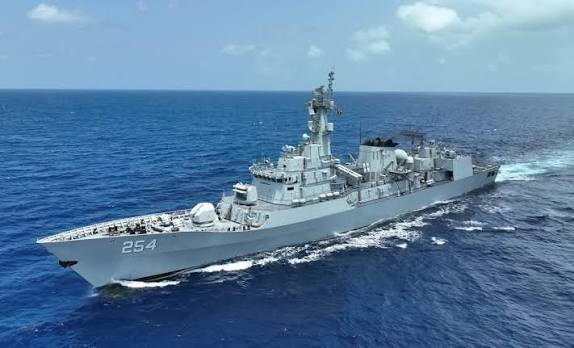
Adding another dimension to the crisis, Russian President Vladimir Putin praised Iran’s so-called “mosquito fleet.” He described the country’s small, heavily armed naval vessels as an effective example of modern asymmetric warfare capable of challenging much larger military forces.
Diplomatic efforts between Washington and Tehran are expected to continue under a framework agreed earlier this year. However, both sides remain divided over freedom of navigation in the Strait of Hormuz and the future of Iran’s nuclear programme

Copyright © 2026 99News. All Rights Reserved.






[…] Hormuz Tensions Deepen as Iran Holds Diplomatic Talks While Trump Signals Chance of Deal […]