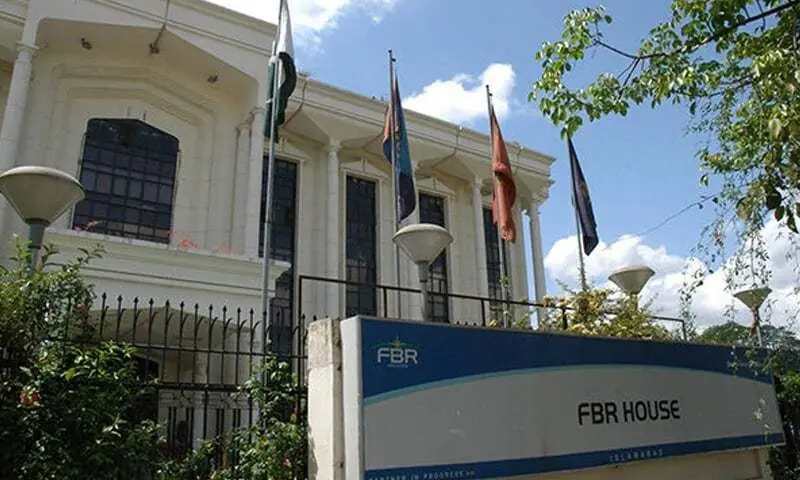
The Federal Board of Revenue (FBR) has introduced a new tax procedure for non-resident individuals earning income from remunerative social media content through interactions with users in Pakistan.
The FBR notified the rules through SRO 1642(I)/2026 on Wednesday. The new procedure applies where income from social media interactions qualifies as Pakistan-source income under the Income Tax Ordinance.
The FBR has also issued separate rules for resident social media earners under SRO 1641(I)/2026.
50,000-User Threshold Set
The new procedure sets a threshold for non-residents who systematically and continuously interact with users in Pakistan through social media platforms.
The rules apply when the number of users exceeds 50,000 during a tax year or 12,250 during a quarter.
The move expands the tax framework to social media earnings generated through audience engagement and digital interactions.
NEPRA Upholds K-Electric Tariff at Rs32.37 Per Unit
The FBR has been working to bring high-earning digital content creators and influencers into the formal tax system as social media becomes an increasingly important source of income.
Five Per Cent Tax on Social Media Revenue
The government introduced a 5 per cent withholding tax on revenues received by digital content creators and social media influencers through platforms such as YouTube, Facebook, Instagram and TikTok under the Finance Act 2026.
For non-resident individuals without a permanent establishment in Pakistan, the withholding tax generally operates as a final tax.
The new rules establish a separate procedure for determining income from remunerative social media content.
FBR Sets Income Calculation Formula
Under the procedure, the minimum income from remunerative social media content will equal total remuneration minus allowable expenses.
The rules allow expenses up to 30 per cent of total revenue.
The FBR defines total remuneration as the higher of two amounts.
The first calculation uses a prescribed revenue-per-mille rate, the average number of views per piece of content and the total number of posts.
The second calculation uses the actual remuneration received from the content, whether in cash or in kind.
The rules therefore prevent taxable income from falling below the amount generated under the prescribed calculation where actual reported earnings are lower.
Quarterly Advance Tax Required
Persons covered by the special procedure must calculate and pay advance income tax on a quarterly basis.
They must also declare the relevant income in the designated section of their annual income tax return.
The relevant tax commissioner can rectify an under-declaration and recover any resulting tax liability under the Income Tax Ordinance.
Rules Define Social Media Content
The FBR has also provided detailed definitions for social media platforms and content.
A social media platform means an internet-based service that allows users to interact and share user-generated content. Its economic value can arise from user participation, network effects and the monetisation of engagement or user data.
Social media content covers digital information, communication or creative material that users publish or generate on such platforms.
The rules include content that can generate advertising, sponsorship or other forms of revenue.
The FBR also defines remunerative social media content as content that generates compensation in any form.
The new framework comes as Pakistan seeks to broaden its tax base and bring income from the growing digital economy into the formal tax system.












[…] FBR Introduces New Tax Rules for Non-Resident Social Media Earners […]