/ Sep 16, 2026
Trending
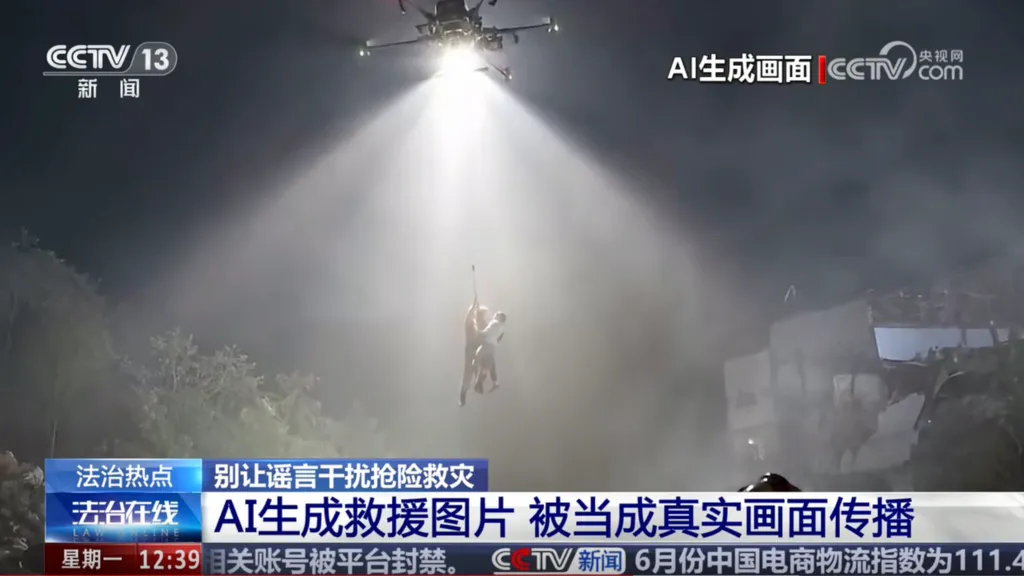
BEIJING: AI Misinformation has emerged as a growing threat in China after Typhoon Noul triggered widespread flooding and severe weather over the weekend. Authorities fear fake AI-generated videos could worsen emergency situations by spreading false information, fueling panic and disrupting rescue efforts.
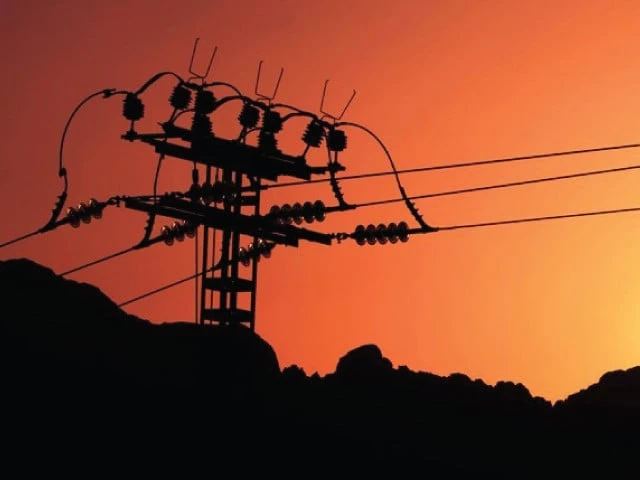
In recent months, powerful storms and floods have flooded social media with fabricated images and videos. Fake posts have falsely shown bodies floating in floodwaters, severe flooding in unaffected areas and misleading emergency response operations. In some regions, false reports about power outages even sparked panic buying of emergency supplies.
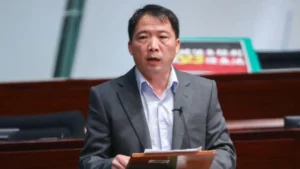
Officials say some content creators deliberately exploit disasters to attract followers and increase online engagement. Zhejiang Police Deputy Chief Huang Zhihua said many users intentionally publish sensational and fabricated content because it generates more views and interactions.
More than 100 words into the crisis, AI Misinformation has become a central concern for Chinese authorities. Police have arrested several people for producing fake disaster reports and manipulated videos. Punishments range from financial penalties to criminal prosecution, depending on the severity of the offense.
Authorities also highlighted misleading content that followed real events. After flooding in Guangxi’s Hengzhou city caused hundreds of snakes to escape from a breeding farm, fake AI-generated images falsely claimed crocodiles had also been released into nearby rivers. Other fabricated videos alleged that rescue teams prioritized saving livestock over people, despite no evidence supporting those claims.
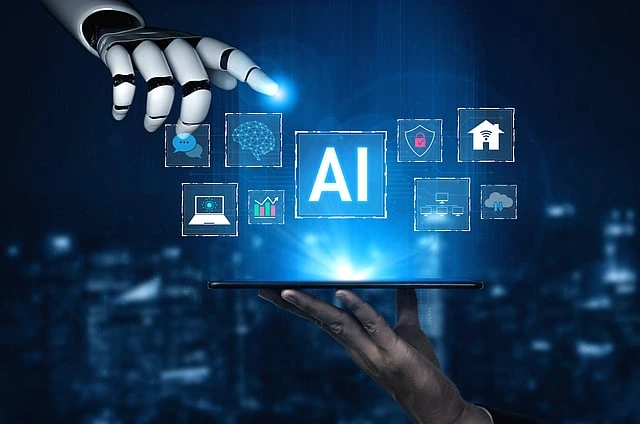
Experts believe artificial intelligence has dramatically reduced the technical barriers to creating convincing fake content.
Professor Chen Bin said AI tools now allow users to generate realistic text, images, audio and videos within minutes. He warned that people no longer need advanced technical skills to produce large volumes of convincing but entirely false information.
Professor Gao Fuping from the East China University of Political Science and Law said motivations vary widely. Some users seek entertainment, while others aim to generate online traffic or deliberately spread panic and social unrest.
He added that many people mistakenly believe they cannot be identified because they operate anonymously online.
Researchers say detecting AI-generated content remains far more difficult than creating it.
Professor Xu Xiaoke of Beijing Normal University called for stronger verification systems, including timestamp validation, geographic location checks and image source verification. However, he warned that detection technology continues to lag behind rapidly advancing AI generation tools.
He described the battle against fake content as a constant “cat-and-mouse game” and cautioned against relying solely on automated detection systems.
China continues to invest heavily in artificial intelligence as part of its ambition to become a global technology leader. Since announcing AI as a national priority in 2017, the country has seen rapid industry growth. State media reports that China now has more than 6,000 AI companies.
At the same time, authorities are increasing efforts to regulate online misinformation. On July 23, China’s Cyberspace Administration launched a nationwide campaign targeting fabricated disaster content, manipulated videos, false statistics and accounts impersonating public officials. Social media platforms were also instructed to strengthen content reviews.
Experts argue that stronger enforcement alone will not solve the problem.
Some analysts say previous attempts by officials to downplay disasters have weakened public confidence. They cited the deadly breach at the Liulan Dam earlier this month, where local authorities reportedly described the incident using less alarming language before flooding claimed at least 26 lives.
Authorities continue to urge citizens to rely on verified government information during emergencies. Police have also warned that those who create and spread fake AI content could face heavy fines or prison sentences of up to seven years if their actions cause serious public harm.
Legal experts believe governments, technology companies and social media platforms must all share responsibility for limiting the spread of AI-generated misinformation. They warn that false content will continue to grow in both volume and speed unless stronger safeguards are introduced before future crises occur.

Copyright © 2026 99News. All Rights Reserved.