/ Sep 17, 2026
Trending
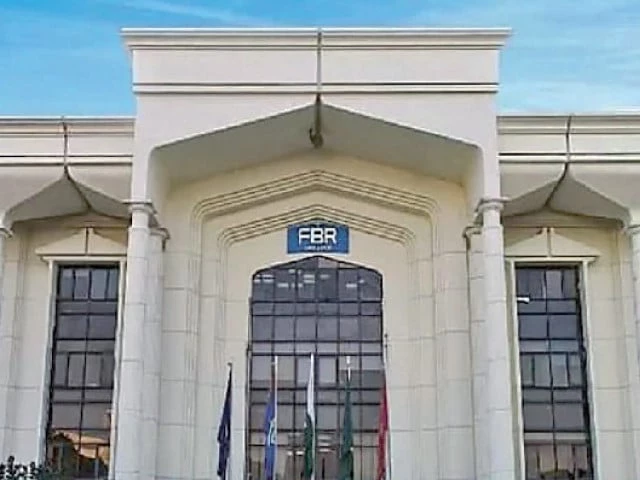
ISLAMABAD: The government has approved another $200 million foreign loan to modernise the Federal Board of Revenue (FBR), taking total foreign borrowing for tax system reforms to nearly $5 billion.
The Central Development Working Party (CDWP) has recommended the Transforming and Digitalising Revenue Administration (TADRA) project for approval at an estimated cost of Rs57.1 billion, or $200 million.
The Ministry of Planning said on Friday that the project has now been sent to the Executive Committee of the National Economic Council (ECNEC) for further consideration.
The proposed project would receive financing through an Asian Development Bank (ADB) loan.
Under the proposed financing structure, the FBR would allocate $81 million, or Rs22.5 billion, for consultancy services.
The FBR plans to procure these services during the five-year implementation period. In addition, the project includes $10 million for project management costs.
The proposed loan would have a repayment period of 25 years. Taxpayers would pay an interest rate of between 1.5% and 2% per year.
Meanwhile, the Planning Commission has raised questions about the impact of earlier foreign-funded tax reforms.
Successive governments have secured foreign loans to modernise the FBR and improve tax collection.
However, the tax machinery has continued to face performance challenges. The FBR missed its tax collection targets during the last two fiscal years.
The tax-to-GDP ratio also remained at 10.3% in fiscal year 2025-26, according to the information presented during the project review.
Official records cited by the Planning Commission show that development partners have already provided around $4.7 billion for Pakistan’s tax system reforms.
With the proposed TADRA financing, total foreign borrowing for tax reforms would reach about $4.9 billion.
The Planning Commission has asked the FBR to assess the impact of previous foreign-funded reform programmes.
These include the Tax Administration and Reforms Project (TARP), Pakistan Single Window (PSW), Integrated Transit Trade Management Systems (ITTMS) and the Pakistan Raises Revenue Programme (PRRP).
The commission wants the FBR to show how these projects improved tax collection, compliance and the taxpayer base.
At the same time, officials questioned whether the targets proposed under TADRA were specific and measurable.
Planning Commission Deputy Chairman Ahsan Iqbal stressed the need for clearly defined outcomes. He called for measurable targets covering revenue collection, the tax-to-GDP ratio and expansion of the taxpayer base.
The FBR told the CDWP that the new investment would help increase Pakistan’s tax-to-GDP ratio to 13.5% by 2029.
The tax authority also plans to expand the number of active registered taxpayers from around 7 million to 12 million.
However, similar targets have accompanied previous reform programmes.
Under the $400 million World Bank-funded Pakistan Raises Revenue Programme, authorities had earlier aimed to increase the tax-to-GDP ratio to 18% and later to more than 13%.
The supplied official account notes that those targets were not achieved.
The CDWP recommended the TADRA project for ECNEC consideration. However, it attached a condition that the Pakistan Institute of Development Economics (PIDE) conduct a detailed review of the project’s business model.
CJP Yahya Afridi Vows to Protect Judges From External Pressure
During the project review, experts also raised concerns about the proposed technology framework.
An assistant economic adviser from the Finance Division proposed a detailed feasibility study. The study would identify existing gaps and determine the FBR’s specific requirements.
Furthermore, an assistant professor from the Cyber Security Department at the National University of Computer and Emerging Sciences highlighted gaps in the project’s design.
The expert said the proposal lacked a detailed gap analysis and a comprehensive data security framework. Questions were also raised about the basis for the proposed artificial intelligence model.
The expert pointed to open-source options for developing a customised AI model. The discussion also highlighted the need for strong data governance.
Similarly, an assistant professor from the School of Electrical Engineering and Computer Science at the National University of Sciences and Technology called for an analysis of existing systems.
The expert also sought more details about the AI models planned for the proposed systems.
As a result, technology, cybersecurity and data governance remain important areas for further assessment before implementation.
The Planning Ministry said the main objective of TADRA is to strengthen domestic resource mobilisation.
The project aims to accelerate the digital transformation of Pakistan’s revenue administration system. In particular, it will support the FBR Transformation Plan 2024-28.
The plan focuses on improving operational efficiency, increasing taxpayer compliance and strengthening Pakistan’s global competitiveness.
The FBR said its Transformation Plan had received Federal Cabinet approval at a total cost of Rs350 billion.
The programme covers several interventions to upgrade FBR hardware and software.
For example, FBR servers are being upgraded from around 850 terabytes to 3 petabytes.
Loan negotiations for the TADRA project are expected to begin soon.
Ultimately, the proposed $200 million financing will test whether another major investment can deliver measurable improvements in Pakistan’s tax collection system after billions of dollars in previous reform loans.

Copyright © 2026 99News. All Rights Reserved.









[…] Pakistan Approves $200m Loan for FBR Tax System Reform […]