News Elementor – News WordPress Theme 2023. Powered By BlazeThemes.
Business
K-Electric to Invest Rs15 Billion to Strengthen Karachi’s Industrial Power Supply
September 1, 2026
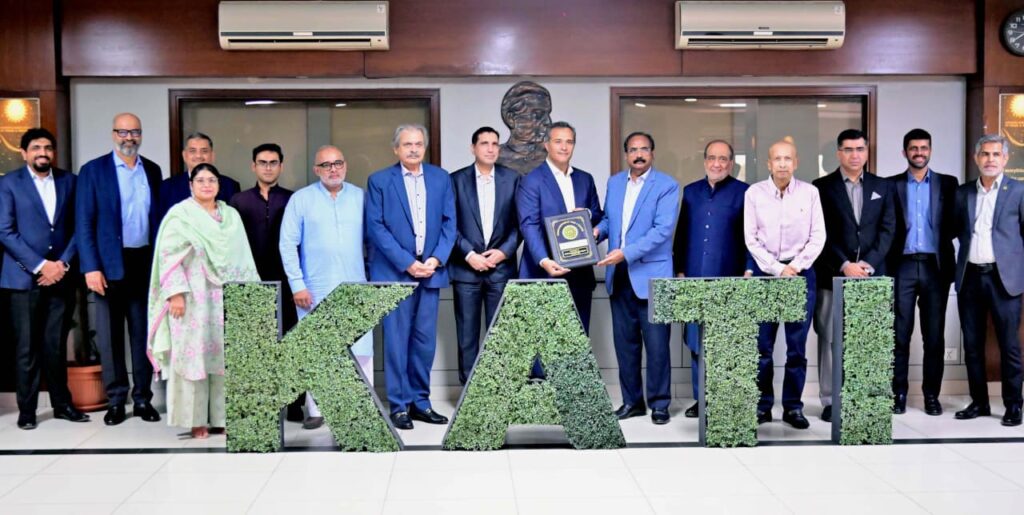
KARACHI: K-Electric will invest Rs15 billion to strengthen Karachi’s industrial power infrastructure and improve the reliability of electricity supplies to businesses, K-Electric Board Chairman Shaheryar Chishti said during a meeting with industrialists at the Korangi Association of Trade and Industry (KATI).
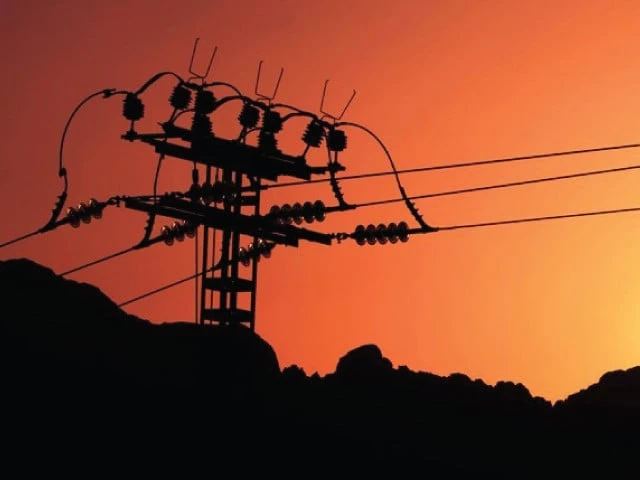
The K-Electric Rs15 billion investment will finance new cables and wires, grid upgrades, feeder bifurcation and other infrastructure improvements aimed at addressing power-quality and reliability issues in industrial areas.
Chishti said Karachi’s industrial sector was central to the city’s economy and employment, stressing that sustained industrial activity was essential for economic growth. He said K-Electric was focusing not only on generation but also on strengthening its transmission and distribution networks.
K-Electric’s network currently includes more than 2,100 feeders, with over 70% exempt from load shedding, according to Chishti. He added that industrial consumers had not faced load shedding since 2013.
K-Electric CEO Syed Muhammad Taha said the company was introducing new feeders, technologies and modern systems to address electricity problems in industrial areas. He said some power-quality challenges were linked to residential settlements surrounding industrial zones and would be addressed through upgraded infrastructure.
Taha also said K-Electric was gradually moving Karachi’s electricity network towards a smart-grid model through smart metering and other technologies. He added that the company remained in contact with industrial associations to resolve supply and service complaints.
While welcoming the planned investment, KATI President Muhammad Ikram Rajput highlighted the wider challenges facing Pakistan’s industrial sector, particularly high electricity and energy costs. He said expensive power was increasing production costs and making Pakistani products less competitive in regional and international markets.
Rajput called for a review of electricity tariffs for industrial consumers and urged the government to reconsider additional charges, fuel costs and surcharges affecting businesses.
He also raised concerns over capacity payments, saying industries were being burdened by payments for electricity capacity that may remain unused. He argued that structural reforms were needed in the energy sector to reduce the cost of electricity and improve industrial competitiveness.
KATI Deputy Patron-in-Chief Zubair Chhaya said delays in government-announced subsidies and other financial support were putting additional pressure on industrial cash flows. He stressed that long-term solutions should address power-generation costs, capacity payments, transmission losses and other structural weaknesses rather than relying solely on temporary relief.
KATI Standing Committee Chairman Danish Khan urged Pakistan to make greater use of renewable energy sources, particularly solar and wind power, to bring down electricity costs. He said industrialists were seeking a reduction in electricity tariffs to around 9 cents per unit to improve export competitiveness.
Standing Committee Vice Chairman Rehan Javed said consumers were also carrying substantial debt-related costs through electricity bills. He cited Rs20.56 per unit in debt-related charges, including Rs17.33 attributed to capacity payments and Rs3.23 to the PHL surcharge.
Javed said these costs were imposed before fuel charges, taxes and transmission expenses were added, increasing the overall burden on industrial consumers.
The meeting concluded with calls for continued consultation between K-Electric and Karachi’s industrial community. Industrialists said reliable electricity, competitive tariffs and timely government support were essential to attracting investment, creating employment and expanding Pakistan’s exports.










[…] K-Electric to Invest Rs15 Billion to Strengthen Karachi’s Industrial Power Supply […]