Pakistan-Iran Trade received fresh momentum on Tuesday as Tehran expressed strong interest in expanding commercial and economic cooperation through the ports of Karachi and Gwadar, reinforcing efforts by both neighbouring countries to strengthen bilateral trade and investment.
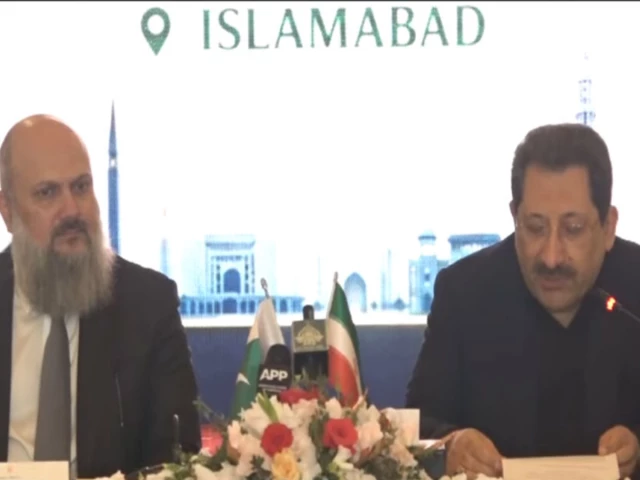
The commitment came during the 10th session of the Pakistan-Iran Joint Trade Committee in Islamabad, co-chaired by Iran’s Minister of Industry, Mine and Trade Mohammad Atabak and Pakistan’s Commerce Minister Jam Kamal Khan.
Addressing the meeting, Atabak described Pakistan as a brotherly nation and said Iran attaches the highest priority to broadening comprehensive economic ties. He also confirmed that negotiations on the proposed Pakistan-Iran Free Trade Agreement (FTA) were progressing positively and expressed confidence that both sides would conclude the agreement in the near future.
More than 100 words into the discussions, Pakistan-Iran Trade remained the central focus as both countries emphasised practical measures to increase cross-border commerce and unlock new economic opportunities. Commerce Minister Jam Kamal Khan said operationalising joint border markets would improve local livelihoods, facilitate legal trade and strengthen economic integration between the two neighbours.
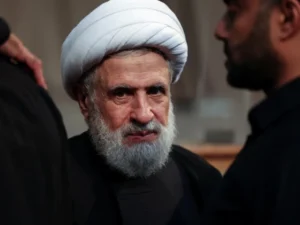
US-Iran Talks Face Fresh Uncertainty as Hormuz Tensions Persist and Hezbollah Criticises Lebanon’s Diplomacy
Khan added that the private sectors of Pakistan and Iran already have confidence in one another and are prepared to expand commercial activity. He stressed that both governments must create a seamless, transparent and predictable business environment to encourage greater investment and long-term trade growth.
The commerce minister also called for finalising practical roadmaps to elevate bilateral economic relations, saying stronger institutional cooperation would help both countries achieve their shared trade objectives.
Pakistan and Iran have intensified efforts to deepen economic cooperation since the 22nd session of the Pakistan-Iran Joint Economic Commission held in Tehran last year. During that meeting, both governments reaffirmed their commitment to increasing bilateral trade to $10 billion, removing trade barriers, operationalising border markets and expanding collaboration in sectors including energy, transport, agriculture and investment.
The two sides also signed a comprehensive protocol outlining a roadmap for strengthening long-term economic cooperation.
Trade between Pakistan and Iran was once significantly stronger, with bilateral commerce exceeding $1.2 billion during FY2010 before international sanctions on Tehran sharply reduced formal trade. Banking restrictions and financial sanctions disrupted commercial transactions and limited trade flows between the neighbouring countries.
Analysts believe economic engagement could recover through the planned development of border Special Economic Zones (SEZs) and the expansion of formal trade channels.
Before sanctions tightened, Pakistan exported products including rice, meat, textiles, paper, fruits and surgical instruments to Iran, while importing chemicals, plastics, petroleum products, iron and steel.
Energy cooperation also remains a key area of interest. According to market analysts, the long-delayed Iran-Pakistan gas pipeline has the potential to supply up to 750 million cubic feet of natural gas per day, helping Pakistan address its energy shortages and support industrial growth.
However, analysts caution that immediate progress on the pipeline remains unlikely. They note that any revival will depend on the easing of international sanctions against Iran, alongside the renegotiation of pricing mechanisms and contractual terms to ensure the project is commercially viable for Pakistan.







[…] Pakistan-Iran Trade Gains Momentum as Tehran Eyes Karachi and Gwadar Ports […]