US-Iran conflict intensified on Friday as Washington and Tehran launched fresh strikes across the Middle East, targeting military facilities, energy infrastructure and strategic transport routes, raising concerns about regional stability and global energy supplies.
The United States expanded its military campaign by striking bridges, energy-related sites and maritime infrastructure in Iran. Tehran responded with missile attacks targeting US-allied countries, including Qatar and Kuwait.
The US Central Command said its forces carried out a seventh consecutive night of operations against Iranian military assets. The campaign targeted surveillance installations, logistics facilities, underground weapons storage sites and maritime infrastructure using fighter aircraft, drones and naval forces.
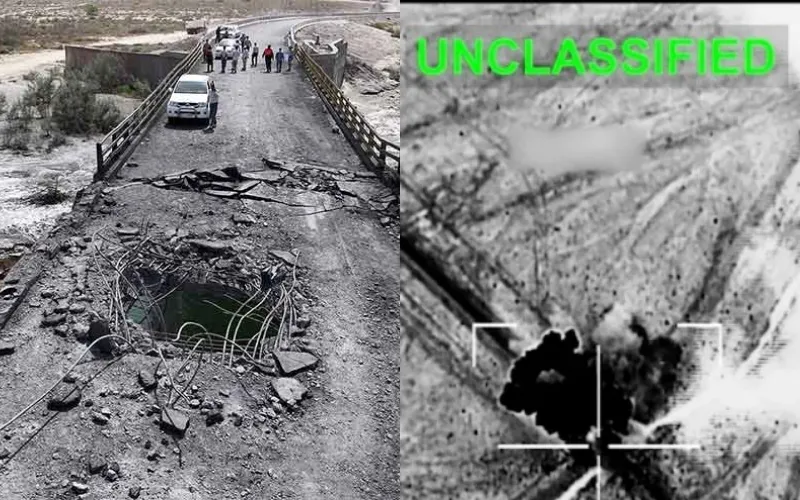
Iranian state media reported that US airstrikes struck several bridges in Hormozgan province, including areas near Bandar Khamir along the Strait of Hormuz. The attacks also disrupted transport links connected to Bandar Abbas, Iran’s largest commercial port.
Iran’s Energy Ministry confirmed that recent strikes damaged electricity infrastructure in southern provinces and urged residents to reduce power consumption during extreme summer temperatures.
Iranian officials said the attacks killed dozens of people and injured hundreds, while the US military confirmed that several American service members had also sustained injuries during the conflict.
In retaliation, Iran launched missiles toward countries hosting US military facilities. Qatar said falling missile debris injured a child after its air defence systems intercepted incoming threats.
Kuwaiti authorities reported that an Iranian strike damaged a power generation and water desalination facility, causing a fire that emergency crews later brought under control. Officials said restoration work was continuing at the site, which supplies a significant share of the country’s drinking water.
Iran also claimed to have launched attacks on Bahrain, while Jordan’s military said it intercepted missiles fired from Iran.
The Strait of Hormuz, a vital shipping route for global oil exports, has become a central flashpoint in the conflict. Iran has sought greater control over maritime traffic, while the United States has tightened restrictions aimed at limiting Iranian oil exports and naval operations.
Growing concerns over shipping disruptions pushed international oil prices above $86 per barrel, their highest level in more than a month.
The US Central Command also confirmed a strike on a tower at Iran’s Chabahar port on the Gulf of Oman. US officials said the facility formed part of a surveillance network used by Iran’s Revolutionary Guard to monitor vessels transiting the Strait of Hormuz.
Iranian state media described the structure as part of the port’s commercial operations. Chabahar, developed with Indian support, serves as an important trade gateway for Afghanistan and the wider region.
The latest escalation has heightened fears of a broader regional conflict following the collapse of a temporary ceasefire.
US President Donald Trump said military operations against Iran were progressing successfully, while Tehran warned that continued attacks could further disrupt regional stability and global energy exports.
Analysts say the conflict now poses growing risks to civilian infrastructure, international shipping and global oil markets as diplomatic efforts remain stalled.











[…] US-Iran Conflict: Fresh strikes deepen Middle East tensions as Hormuz risks grow […]