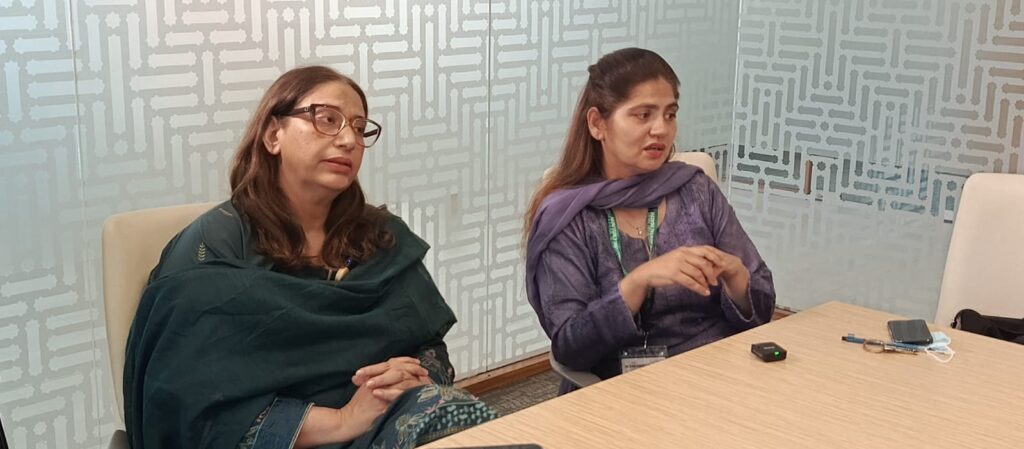
The Aga Khan University Hospital (AKUH) marked PMOS Awareness Month with a media roundtable focused on the broader health impact of the condition.
The event, titled “PMOS: Beyond Periods and Pregnancy,” brought together health journalists and specialists to discuss diagnosis, treatment and long-term health risks.
According to a 2026 study cited at the event, 48.5% of women in Pakistan are affected by PMOS.
Previously known as polycystic ovary syndrome (PCOS), the condition received the new name Polyendocrine Metabolic Ovarian Syndrome (PMOS) following an international consensus process in 2026. The new terminology reflects the condition’s endocrine, metabolic and ovarian features.
PMOS Affects More Than Fertility
AKUH specialists said PMOS should not be viewed only as an infertility condition.
The disorder can affect menstrual cycles, weight, skin and emotional well-being. It can also increase the risk of longer-term health problems, including type 2 diabetes, high blood pressure and cardiovascular disease.
The new PMOS terminology reflects this broader understanding. The international consensus process involved patients, health professionals and organisations from around the world.
Zain Ibrahim, ASA, Regional Director for the Middle East, Africa and South Asia at the Society of Actuaries, said awareness of the condition remains important. [Note: the supplied copy appears to contain a speaker attribution that may need confirmation before publication.
Insurance Growth Could Expand Actuarial Careers in Pakistan
At the AKUH roundtable, specialists stressed that women should seek professional medical advice rather than treat fertility concerns as the only warning sign.
Experts Warn Against Self-Diagnosis
Doctors also highlighted common misconceptions surrounding PMOS.
Irregular periods do not automatically indicate the condition. An ultrasound alone also cannot establish a PMOS diagnosis.
The condition can affect women across different body types. Specialists noted that lean women in South Asia can also develop PMOS.
Doctors therefore recommend a comprehensive assessment. This can include a medical history, clinical examination and appropriate diagnostic tests.
The approach helps doctors distinguish PMOS from other conditions that can produce similar symptoms.
Lifestyle Changes Can Support PMOS Management
Specialists said sustainable lifestyle changes can play an important role in managing PMOS.
Balanced nutrition and regular physical activity can support overall health and help manage some symptoms.
However, doctors stressed that there is no single cure or treatment plan that works for every woman.
Treatment depends on symptoms, health risks and individual goals. Regular follow-up can also help doctors adjust care over time.
The international PMOS guideline similarly emphasises individualised care and shared decision-making.
Emotional Health Also Needs Attention
The specialists also discussed the emotional impact of PMOS.
Acne, unwanted hair growth, changes in weight and concerns about fertility can affect confidence and mental well-being.
Dr Asma Ahmed, Consultant Endocrinologist at AKUH, said the condition affects several areas of women’s health.
“For too long, PMOS has been seen only as a fertility problem, and that narrow view has done women a disservice,” Ahmed said.
She added that early recognition and treatment of the whole person can help women manage the condition effectively.
Dr Sumaira Naz, Consultant Obstetrics and Gynaecology at AKUH, also warned against relying on online information for self-diagnosis.
She encouraged women with irregular periods, unexplained weight changes or persistent acne to discuss their symptoms with a doctor.
PMOS Name Change Reflects Wider Understanding
The global name change from PCOS to PMOS was announced in May 2026 after a multistep international consensus process.
Researchers said the previous term placed too much emphasis on ovarian cysts and did not adequately reflect the condition’s wider endocrine and metabolic features.
The consensus process involved 56 academic, clinical and patient organisations and more than 14,000 survey responses from people with the condition and health professionals.
The Endocrine Society and the American Society for Reproductive Medicine have also recognised the new PMOS terminology.
AKUH said its awareness initiative forms part of its wider effort to improve understanding of women’s health and encourage timely access to qualified medical advice.












[…] AKUH Urges Women to View PMOS as a Whole-Body Health Issue […]