/ Sep 16, 2026
Trending
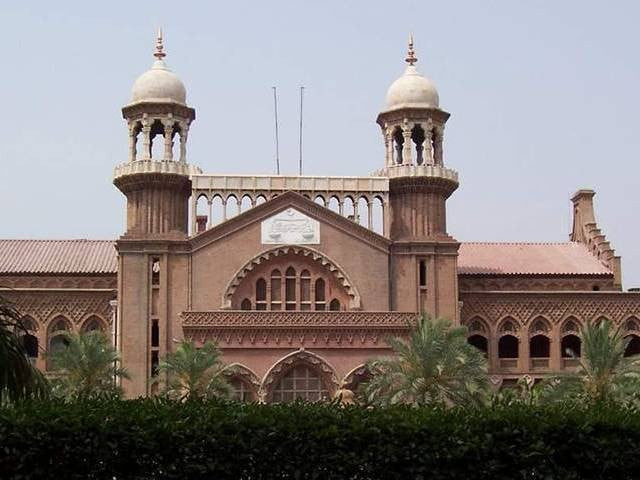
The Lahore High Court (LHC) on Friday suspended the Pakistan Medical and Dental Council’s (PMDC) directives ordering Afghan medical students to leave Pakistan.
Justice Khalid Ishaq issued the order while hearing petitions filed by 13 Afghan medical students enrolled at medical institutions in Lahore.
The students include those studying at King Edward Medical University (KEMU), Shaikh Khalifa Bin Zayed Al Nahyan Medical and Dental College and the Services Institute of Medical Sciences.
The court also sought replies from the Ministry of Health, PMDC and vice-chancellors of the concerned institutions by September 18.
Justice Ishaq suspended the operation of PMDC directives issued on July 31 and September 1.
The court ordered the concerned institutions to allow the students to continue their studies. They can also sit their examinations and return to their hostels.
The petitioners had challenged the PMDC orders, arguing that the council had exceeded its legal authority.
Their counsel told the court that the students had been condemned unheard. He said the directives violated their rights to education, life and dignity.
Karachi May Receive Rain and Thunderstorms From September 14 to 16
The counsel also argued that the PMDC lacked authority under the PMDC Act to expel students who had already enrolled in medical programmes.
PMDC lawyers opposed the suspension. They argued that the matter involved national security.
Justice Ishaq rejected the argument and suspended the directives.
The PMDC reiterated its position in a letter sent to medical and dental colleges on September 1.
The council directed institutions to follow its earlier policy instructions. It said colleges could not admit, place, transfer or migrate Afghan nationals during the current academic session.
The directive also required Afghan nationals already enrolled in medical and dental programmes to return to Afghanistan.
King Edward Medical University became one of the first public institutions to act on the order.
KEMU directed 20 Afghan MBBS students to report within 24 hours. Seven of them are in their final year.
The university also started processing no-objection certificates and other formalities for their departure.
The 13 petitioners include seven women and six men.
They said PMDC instructions had led their colleges to remove them from their programmes. Some students also faced eviction from hostels.
The students argued that the PMDC Act did not give the council power to expel them.
They also said the council must exercise its regulatory powers within the Constitution and Pakistan’s international obligations.
Several petitioners had already spent years studying medicine in Pakistan.
Many had received scholarships under the Higher Education Commission’s Allama Iqbal Scholarship Programme.
The HEC welcomed around 350 Afghan students in Pakistan in July 2025 under the scholarship programme.
One petitioner, Nilofar Nikzad, said she had completed two years of medical studies in Afghanistan before Taliban restrictions forced her to abandon her education there.
The students said the sudden implementation of the PMDC directives left them without accommodation and created uncertainty about their academic future.
They asked the LHC to declare the July 31 and September 1 directives illegal and unconstitutional.
The Foreign Office also clarified Pakistan’s position on Afghan students.
A Foreign Office spokesperson said Pakistan had not decided to expel all Afghan students.
He said Afghan students enrolled in recognised degree programmes and holding valid visas could remain in Pakistan and complete their education.
However, students without valid visas or those not enrolled in recognised programmes would have to return to Afghanistan.
The same would apply to students who were neither registered at a university nor holding valid visas.
Meanwhile, the PMDC said more than 200 Afghan students had been identified as studying medicine in Pakistan.
The council said only 22 were currently registered with the PMDC. Of those, 14 had completed their degrees, while eight were expected to graduate next year.
The PMDC said it was verifying the remaining 176 students. It added that the figure remained subject to final confirmation.
The council maintained that its regulatory requirements applied equally to foreign nationals and were not based on nationality.
The PMDC directive has faced strong criticism from rights groups and political leaders.
The Human Rights Commission of Pakistan (HRCP) described the situation as a humanitarian crisis affecting young people and their education.
The rights body called for the repatriation orders to be suspended and the students’ enrolments to be restored.
Senate Opposition Leader Allama Raja Nasir Abbas called the directive politically motivated. He warned that the policy could harm future generations.
PTI leader Asad Qaiser also criticised the move and questioned the decision to disrupt the students’ education.
The HRCP said Pakistan’s security concerns and strained relations with Afghanistan should not lead to collective punishment of students.
It also warned that the policy could damage Pakistan’s reputation as a destination for international students.

Copyright © 2026 99News. All Rights Reserved.