Spain and Morocco are competing to host the 2030 FIFA World Cup final, turning the tournament’s biggest venue decision into a growing dispute.
Spain initially expected to stage the final after securing a joint hosting bid with Portugal and Morocco. However, Morocco has emerged as a serious contender with plans for a 115,000-seat stadium near Casablanca.
The contest now centres on three venues: Real Madrid’s Santiago Bernabéu, Barcelona’s Camp Nou and Morocco’s proposed Hassan II Stadium.
The dispute has also exposed differences within Spain’s football establishment. Meanwhile, political tensions between Spain and Morocco have added another dimension to the competition.
Morocco Builds Case for World Cup Final
Morocco has rallied behind its plan to host the final at the Hassan II Stadium. The venue is under construction near Casablanca and is designed to accommodate 115,000 spectators.
The project reflects Morocco’s wider investment in football infrastructure and transport. The country is also preparing improvements to airports, hotels, railways and highways ahead of the tournament.
Moroccan fans believe the country deserves to host the final. They point to the national team’s growing international reputation and its position among the world’s leading football nations.
Bilal Jouhari, a football fan in Rabat, said Morocco had a strong case for hosting the match.
Pakistan Beat South Korea 3-2 to Keep Sultan Azlan Shah Cup Final Hopes Alive
Former FIFA World Cup organising committee executive Ricardo Trade said Spain had failed to settle the final venue during the original bidding process.
He also highlighted the difference between Spain’s competing stadium campaigns and Morocco’s unified approach.
Madrid and Barcelona Compete for Hosting Rights
Spain’s campaign faces competing interests from Madrid and Barcelona.
Barcelona president Joan Laporta lobbied in September for the final to take place at Camp Nou. He argued that the Bernabéu had already hosted the 1982 World Cup final.
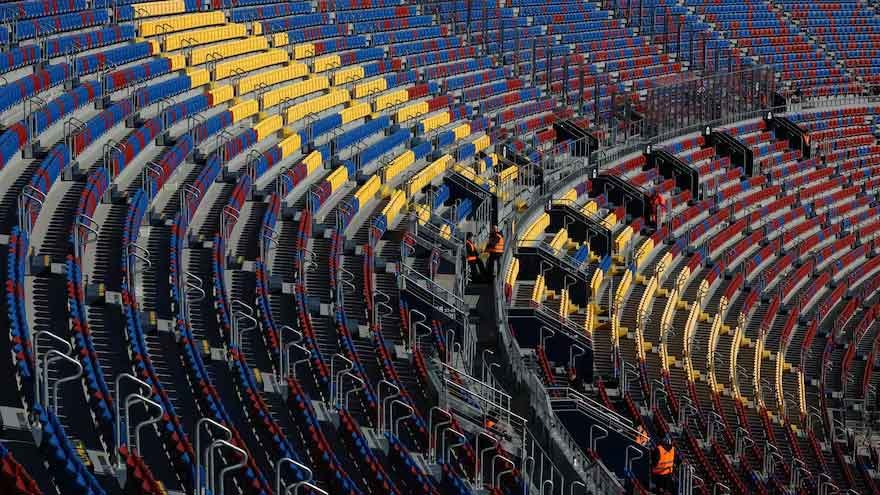
The Camp Nou is expected to accommodate around 105,000 spectators after its planned renovation. The Bernabéu currently has a capacity of approximately 84,000.
Some Spanish football officials reportedly criticised Laporta’s intervention. They believe competing proposals could weaken Spain’s position against Morocco.
However, Álvaro de Miguel, secretary general of the Spanish Football Federation (RFEF), rejected suggestions of divisions.
He argued that Spain’s two stadium options could improve its chances during FIFA’s selection process.
The Spanish campaign has also received political support. Alberto Núñez Feijóo, leader of the conservative People’s Party, said Spain should reconsider hosting the tournament if it could not secure the final.
Madrid mayor José Luis Martínez-Almeida has also expressed concern about Spain’s position.
FIFA Leadership Adds Political Dimension
The venue contest has become linked to wider tensions within international football.
FIFA President Gianni Infantino is facing disagreements with UEFA over his reported proposal to sell a 20% stake in the World Cup.
LaLiga president Javier Tebas has suggested that Infantino could favour Morocco because of its support for his expected re-election campaign.
Morocco’s football federation has been a strong supporter of Infantino. He has also spent considerable time at FIFA’s regional headquarters in Rabat.
However, Real Madrid president Florentino Pérez reportedly maintains a close relationship with Infantino. A LaLiga source suggested this could help Spain’s campaign.
FIFA has said it has no standard procedure for selecting the final venue. The governing body will consult host cities, countries and governments before making its decision.
Spain and Morocco Point to Different Strengths
Spanish officials highlight the country’s experience in hosting major sporting events. Madrid previously hosted the 2018 Copa Libertadores final between River Plate and Boca Juniors.
They also point to Spain’s established tourism infrastructure and accommodation capacity.
A FIFA technical report rated accommodation for the general public in Casablanca at 3.1, compared with 5 for Spain.
Morocco, however, is investing heavily in infrastructure. According to the IMF, the country plans to spend around $19 billion between 2024 and 2030 on airports, stadiums, hotels and transport networks.
The plans include a railway station and highway connecting the Hassan II Stadium with Casablanca. The venue is located around 45 kilometres from the city.
Moroccan football federation president Fouzi Lekjaa expects construction of the stadium to finish in early 2028.
African Representation Becomes Part of the Debate
Moroccan officials also argue that hosting the final would bring wider benefits to Africa.
They believe the continent’s contribution to global football talent deserves recognition through the tournament’s biggest match.
A Moroccan source familiar with the discussions said the final should go to the stadium with the largest capacity and an African host country.
However, FIFA has not announced when it will select the final venue.
The 2030 World Cup will be jointly hosted by Spain, Portugal and Morocco, with three opening matches scheduled in Uruguay, Argentina and Paraguay to mark the tournament’s centenary.
The competition for the final remains unresolved, with stadium capacity, infrastructure, political relationships and FIFA’s decision-making process all likely to influence the outcome.