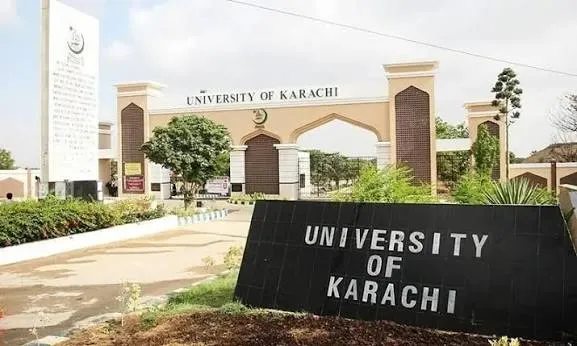
KARACHI: University of Karachi (KU) Vice Chancellor Professor Dr Wasim Qazi has stressed the need to preserve historical truth, strengthen critical thinking and promote responsible research amid growing challenges posed by artificial intelligence (AI), fake news and algorithms.
He said history should not be viewed merely as a record of past events. Instead, it should help society understand the present and build a better future. In this regard, fact-checking, critical thinking and responsible conduct are essential to safeguarding truth.
KU VC Calls for University History to Be Updated
Professor Dr Wasim Qazi noted that Dr Riaz ul Islam last documented the history of the University of Karachi in 1975. He said no formal effort had been undertaken since then to compile a new institutional history.
Payoneer Opens Nominations for Pakistan Cross-Border Excellence Awards 2026
Updating the record, he added, would help preserve the university’s academic achievements, research contributions and institutional development.
The vice chancellor emphasised that universities must do more than award degrees. They should also encourage research, creativity and independent thinking among students.
He called for curricula that reflect contemporary needs and connect education with social responsibility, the rule of law and public welfare.
Lecture Highlights Quaid-e-Azam’s Vision for Pakistan
The vice chancellor expressed these views on Wednesday while addressing a special lecture organised by the Pakistan Study Centre at the University of Karachi. The event marked the 150th birth anniversary of Quaid-e-Azam Muhammad Ali Jinnah and carried the title, “Quaid-e-Azam’s Concept of Pakistan: National Unity, Democratic Values, and State Stability.”
Qazi highlighted opportunities for research into Pakistani identity, national character, diplomacy and international relations. He identified the Pakistan Study Centre and the Area Study Centre for Europe as institutions that could contribute to these fields.
Making the centres more active, he said, would encourage quality research, academic writing and scholarly dialogue.
He also stressed the importance of learning from past experiences and taking practical steps to protect national identity, strengthen unity and promote collective progress.
“Only by linking history, education, and research with social responsibility can the foundation of a conscious, responsible, and developed society be laid,” he said.
National Anthem Offers Insights into Statehood
Qazi also highlighted the importance of studying Pakistan’s national anthem to understand the country’s concept of statehood and its fundamental objectives.
Referring to the words “Pak sarzameen shad baad,” meaning “Blessed be the sacred land,” he asked what essential conditions Pakistan must fulfil to realise the vision of a prosperous and flourishing country.
He emphasised that historical understanding should help strengthen national character, encourage cooperation despite differences and support the welfare of all sections of society.
Mazhar Abbas Raises Concerns Over Declining Research
Senior journalist Mazhar Abbas expressed concern over what he described as a continuing decline in research and critical thinking at Pakistani universities.
Discussing Quaid-e-Azam Muhammad Ali Jinnah’s vision for Pakistan, Abbas said the founder of the country had envisioned a democratic and transparent state.
He argued that the views of a leader’s opponents can offer valuable insight into that person’s character and legacy. Abbas also pointed to Jinnah’s August 11, 1947, speech as an important reference for understanding his vision for Pakistan.
He questioned whether the country would ever produce a comprehensive and truthful account of Jinnah’s life, ideas and political vision.
Journalist Highlights Minority Rights and Rule of Law
Abbas said Jinnah envisioned a state in which the government would bear responsibility for protecting the rights of every citizen. He also highlighted Jinnah’s repeated emphasis on minority rights and protection.
Turning to Pakistan’s governance and justice system, Abbas argued that the rule of law had increasingly given way to the arbitrary exercise of power.
He expressed concern over what he described as the long-term decline of the judicial system, saying it had made access to justice a serious challenge for citizens.
Abbas also criticised the scale of corruption in the country, arguing that it existed at multiple levels of society and institutions.
He further questioned the effectiveness of accountability mechanisms, saying that some individuals and institutions responsible for holding others accountable should themselves face scrutiny.
The speakers’ remarks underscored the importance of historical accuracy, independent research, democratic values and institutional accountability in shaping Pakistan’s future.