LAHORE : The Centre for Aerospace and Security Studies (CASS) Lahore organised a discussion titled “The PAF’s Legacy: From the Spirit of 1965 to Marka-e-Haq” to commemorate PAF Day.
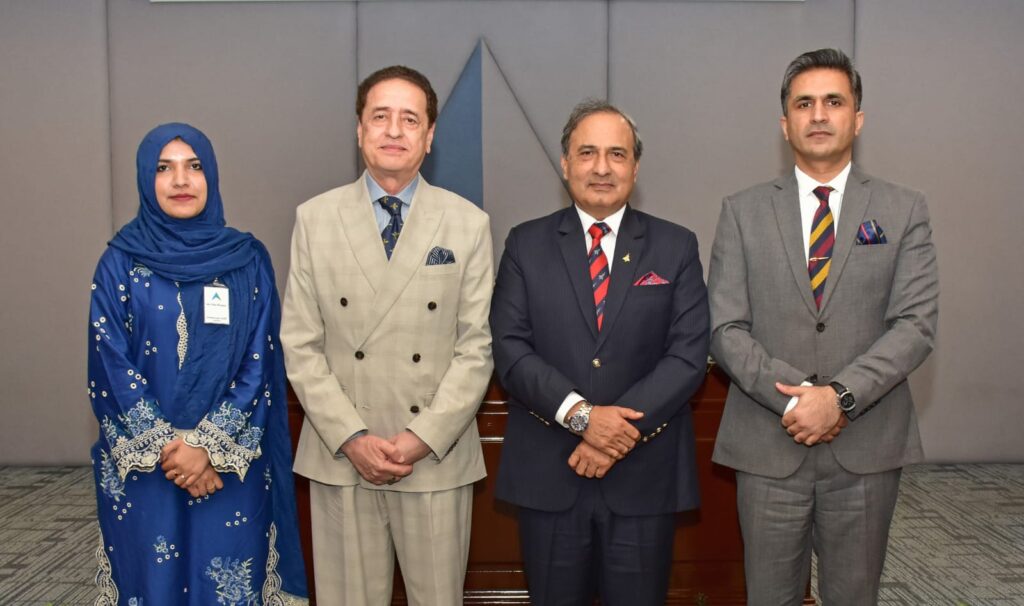
The event brought together Pakistan Air Force (PAF) war veterans, serving and retired officials, academics and intellectuals.
CASS Lahore organised the event as part of its work as an independent think tank focused on national security and related issues.
Ms Ezba Walayat Khan, Research Assistant at CASS Lahore, delivered the opening address.
PAF’s Evolution From 1965 to the Present
Air Commodore Khalid Farooq Chishti (Retd), a PAF veteran, was the main speaker.
He discussed the development of the PAF and highlighted the contributions of senior commanders during major periods in its history.
HSHM and KIU Sign Agreement to Expand Global Hospitality Education in Gilgit-Baltistan
Chishti highlighted the institution-building role of Air Marshal Asghar Khan. He also discussed Air Marshal Nur Khan’s leadership during the 1965 war.
He further highlighted Air Marshal Abdur Rahim Khan’s role during the 1971 war.
The veteran linked these developments with the modern PAF. He discussed its technological transformation under Air Chief Marshal Zaheer Ahmed Baber Sidhu.
According to Chishti, the PAF has evolved through realistic training, modernisation, operational initiative and joint-service coordination.
He said the force has moved from a defensive-offensive posture towards what he described as a more disruptive air force.
CASS Event Highlights Training and Joint Operations
Chishti also recalled episodes from the 1965 and 1971 wars. He paid tribute to air warriors who made sacrifices during those conflicts.
He said tri-services coordination has further strengthened Pakistan’s military capabilities. He cited the coordination during Marka-e-Haq as a recent example.
He also credited Army Chief Field Marshal Asim Munir with ensuring coordination among the services, according to the event statement.
Chishti said operational effectiveness allows the PAF to maintain readiness and take the initiative against a numerically stronger adversary.
He identified courage, professionalism, discipline, sacrifice, comradeship and honour as the core elements of the PAF’s legacy.
PAF Day Marks Decades of Defence Efforts
In his concluding remarks, Air Marshal Asim Suleiman (Retd), President of CASS Lahore, said PAF Day represents more than the victories associated with 1965.
He also highlighted what he described as decades of “silent wars” and national defence efforts.
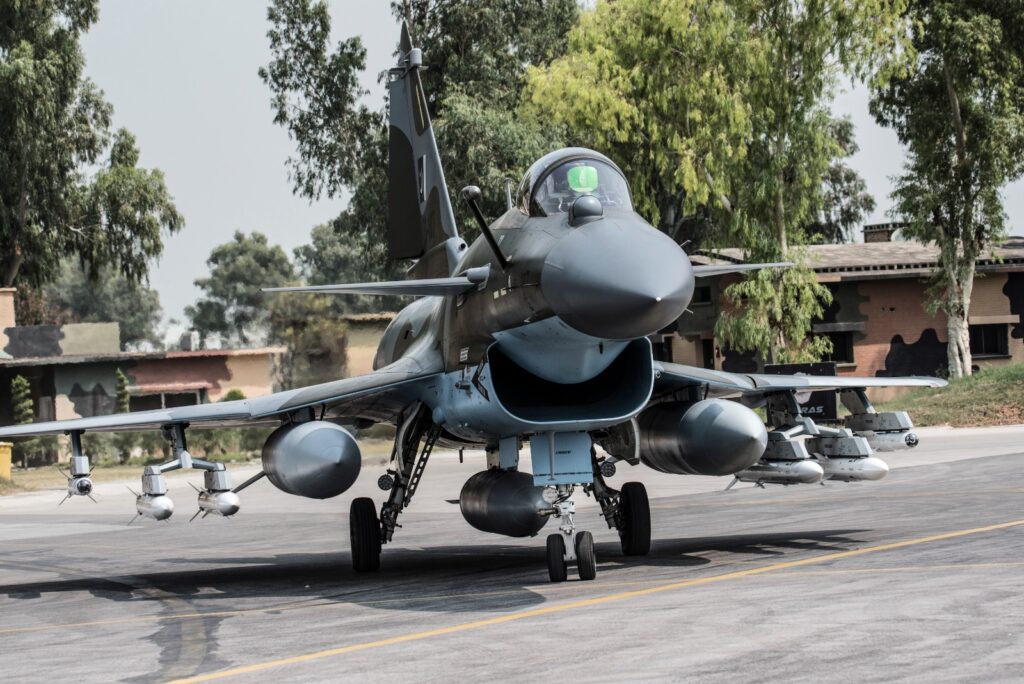
These included indigenous development of the JF-17, protection of Pakistan’s nuclear programme, responses to Soviet incursions, support for allies and deterrence during successive crises.
Suleiman paid tribute to Air Marshal Asghar Khan, Air Marshal Nur Khan and Air Marshal Abdur Rahim Khan.
He said their leadership helped establish a tradition of professional excellence and courageous decision-making within the PAF.
Modern PAF Focuses on Multi-Domain Capabilities
Suleiman also discussed the PAF’s current technological development.
According to his remarks, the force has expanded into areas including cyber, space, electronic warfare and unmanned aerial vehicle capabilities.
He cited Marka-e-Haq in 2025 as a practical demonstration of these capabilities and highlighted coordination among Pakistan’s armed services.
Suleiman reaffirmed the PAF’s readiness to respond to potential threats. He also paid tribute to war heroes, martyrs and personnel serving in combat, maintenance and support roles.
The event concluded with an interactive discussion.
Participants examined air warfare, leadership decision-making and financial challenges. They also discussed differences between the professional cultures of the PAF and Indian Air Force, indigenous defence production and the commitment of PAF personnel.
Participants appreciated CASS Lahore for organising the discussion and providing a platform for debate on Pakistan’s air power and national security.