Pakistan’s export industries face a major shift as environmental performance becomes increasingly important for access to international markets.
Textile, sports goods and leather manufacturers must now consider more than product quality and price. International buyers increasingly want suppliers to show how they produce goods, manage resources and reduce environmental risks.
For Pakistan, this transition creates both an opportunity and a challenge. Exporters already face high energy costs, financing constraints, weak infrastructure and policy uncertainty. Green investment could improve their competitiveness over time. However, the cost of that transition could create another financial burden if manufacturers carry it alone.
Focus Keyword: Pakistan export industries
Textile Sector Faces Growing Green Requirements
Pakistan’s textile and apparel industry remains the backbone of the country’s export economy. According to the Pakistan Bureau of Statistics, textile and apparel exports reached $17.93 billion in FY2025-26. Growth remained marginal at 0.26%.
During July-March FY2025-26, textiles accounted for 59.7% of Pakistan’s total exports.
The European Union remains a crucial market for Pakistani exporters. Textiles and clothing account for a large share of Pakistan’s exports to the bloc. Pakistan also remains the largest beneficiary of the EU’s GSP+ trade scheme.
Bushra Ansari Calls for Real Social Issues on Pakistani Television
That relationship makes sustainability more than an environmental concern. It also creates a direct economic issue for Pakistani manufacturers.
International buyers increasingly assess carbon emissions, energy sources, water use, waste management, traceability, labour conditions and supply-chain due diligence when selecting suppliers.
Green Investment Creates a Difficult Equation
Pakistani manufacturers now face pressure to invest in renewable energy, efficient machinery, wastewater treatment, carbon accounting and digital traceability.
These upgrades can improve efficiency and reduce long-term environmental costs. However, they require significant capital and technical expertise.
Large manufacturers may have more resources to make these investments. Small and medium-sized enterprises face a much tougher challenge.
A factory may install solar panels, replace inefficient motors, upgrade boilers and introduce energy-management systems. It may also need new systems to monitor emissions, treat wastewater and reduce production waste.
Many manufacturers cannot finance all these upgrades immediately.
The challenge, therefore, does not simply concern whether Pakistan should decarbonise. The bigger question concerns who should finance the transition.
Shared Transition Responsibility Gains Importance
The Shared Transition Responsibility Movement (STRM) argues that manufacturers should not carry the entire cost of industrial decarbonisation.
The initiative promotes greater cooperation among manufacturers, international brands, financiers, researchers and policymakers. Its central argument is that brands should share both the financial and practical responsibility for improving the supply chains from which they benefit.
International brands gain from cleaner supplier factories. Lower supply-chain emissions can help companies meet climate targets and respond to regulatory and consumer expectations.
That creates a strong economic argument for shared investment.
A more balanced model could combine brand co-investment with longer purchasing commitments, preferential sourcing, technical support and access to concessional green finance.
Short-Term Sourcing Can Discourage Long-Term Investment
One major obstacle remains the short-term nature of many international sourcing agreements.
Manufacturers may hesitate to invest heavily in renewable energy or cleaner machinery if they cannot predict whether a major buyer will continue purchasing from them.
This creates a clear contradiction. Brands increasingly demand long-term sustainability improvements, yet sourcing decisions can still focus heavily on short-term prices.
Longer-term purchasing agreements could help resolve this problem. They would give manufacturers greater confidence to invest in cleaner production.
Brands could also provide technical assistance and help suppliers access affordable green financing.
Government Policy Will Shape Pakistan’s Green Transition
International brands cannot solve the problem alone. The Pakistani government also has an important role.
Policymakers need to create predictable regulations and improve access to competitive electricity. They also need to strengthen infrastructure and expand green-finance mechanisms.
Tax incentives and other investment support could encourage manufacturers to adopt clean technologies.
Climate policy, energy policy and export policy must therefore work together. A fragmented approach could make green investment more expensive and weaken Pakistan’s position in international markets.
Traceability Could Become a Trade Requirement
Environmental requirements will likely extend beyond carbon emissions.
Exporters may increasingly need to demonstrate responsible sourcing, efficient resource use, transparent environmental data and supply-chain traceability.
Digital Product Passports could become an important tool in this process. They can help businesses document information across different stages of a product’s supply chain, from raw materials to finished goods.
For Pakistani exporters, sustainability can no longer remain the responsibility of a single compliance department.
It needs to become part of production, procurement, finance, energy management and corporate strategy.
Pakistan cannot afford to choose between economic growth and climate responsibility. Its export industries need both.
Pakistan Needs a Fair Green Transition
The biggest risk does not come from decarbonisation itself. The greater threat is an unequal transition.
Pakistani factories could face expensive environmental requirements while international buyers continue demanding lower prices and shorter sourcing commitments. Such pressure could weaken already constrained manufacturers.
The STRM approach seeks to address this imbalance by treating climate transition as a shared economic responsibility.
If global brands want cleaner supply chains, they should help finance the improvements. If Pakistan wants to protect its export markets, the government must create conditions that make green investment practical.
Manufacturers also have a responsibility. They must view sustainability as a long-term investment rather than another compliance expense.
The global climate transition will reshape international trade. Pakistan’s challenge is to ensure its exporters do more than follow new rules. They must also receive a fair opportunity to compete under them.








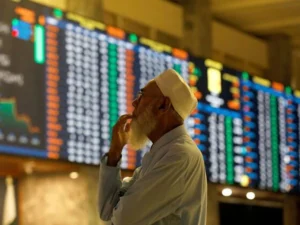
[…] Pakistan’s Export Industries Face Rising Pressure to Go Green […]