The latest Hormuz Talks entered another uncertain phase on Wednesday as Iran blamed alleged US interference for slowing negotiations with Oman over the future of the Strait of Hormuz, while Yemen’s Houthi movement claimed fresh missile attacks on Saudi oil tankers, raising fears of further disruption to global energy supplies.
Iranian media, citing an informed source, reported that Tehran would not finalize any agreement while it continued to face military threats from Washington. The source said ongoing US pressure remained the main obstacle to reaching a navigation arrangement with Oman, despite earlier statements from Iranian officials describing the negotiations as positive.
The diplomatic standoff unfolded alongside escalating maritime tensions in the Red Sea. Yemen’s Houthi group claimed responsibility for striking the Saudi oil tanker Wafaa near Yanbu with ballistic missiles and later announced another attack on the tanker Daisy in the Gulf of Aden. The group said the operations formed part of its expanding maritime blockade against Saudi Arabia and vowed to intensify attacks on oil shipping regardless of the consequences.
More than 100 words into the dispute, Hormuz Talks remain central to global markets because the strategic waterway handles roughly one-fifth of the world’s oil and liquefied natural gas shipments. Any prolonged closure or restrictions could disrupt international trade and push energy prices higher.
Iranian officials insisted that any future navigation agreement with Oman would not automatically reopen the Strait of Hormuz. State media quoted officials as saying the waterway would remain closed until what Tehran described as US violations and military pressure ended. They also stressed that negotiations with Oman were independent and unrelated to direct discussions with Washington.
US President Donald Trump struck a different tone, saying his administration had made significant progress during day-long negotiations with Iran. He predicted the Strait of Hormuz could reopen “very soon” but warned Tehran would face severe military consequences if diplomacy failed. Trump reiterated that Iran would never be allowed to obtain a nuclear weapon and said falling oil and gasoline prices would follow any successful agreement.
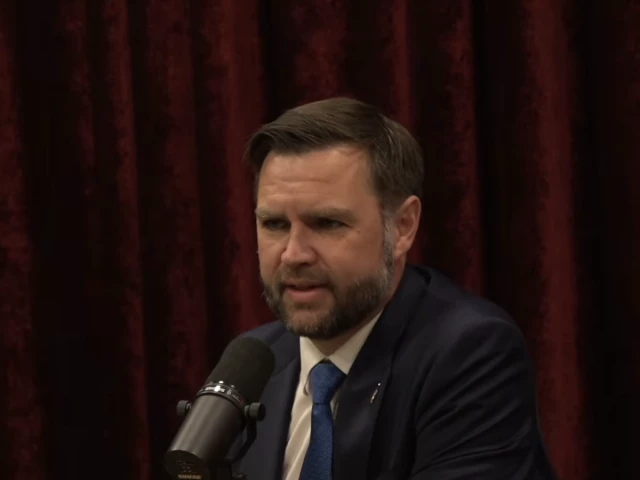
US Vice President JD Vance echoed that position, saying Washington would use military, economic and diplomatic tools to resolve the conflict while expressing hope for a negotiated settlement. He acknowledged that talks remained difficult because of divisions within Iran’s leadership but said the United States intended to secure an outcome that protected American interests.
Meanwhile, international shipping organizations urged the United Nations to reject any proposal introducing compulsory transit fees for vessels using the Strait of Hormuz. Eight major maritime associations warned that such charges would undermine freedom of navigation, increase global shipping costs and create a dangerous international precedent.
Adding to regional uncertainty, reports indicated that Israeli officials remained skeptical of Washington’s diplomatic approach toward Tehran, with some expressing concern that the United States appeared willing to pursue an agreement at almost any cost. Israeli Prime Minister Benjamin Netanyahu also signaled that Israel could take independent action if it believed Iran’s nuclear ambitions continued to threaten regional security.
Despite reports of progress between Iran and Oman, several issues remain unresolved, including control over shipping lanes and future navigation arrangements. Diplomatic efforts continue, but the combination of military threats, maritime attacks and competing regional interests has left the future of the Strait of Hormuz uncertain.








[…] Iran Hormuz Talks Face Fresh Hurdles as Houthis Claim New Saudi Tanker Attacks […]