Researchers at the Japan Agency for Marine-Earth Science and Technology developed the system, called DeepLitterAI.
According to Japan’s Kyodo news agency, the system can process seabed data at nearly twice the speed of human observers. The findings were reported in the journal Environmental Pollution.
Researchers expect DeepLitterAI to support real-time monitoring of plastic waste beneath the sea.
The technology could help scientists identify areas where marine litter is accumulating. Consequently, authorities may be able to target cleanup and prevention efforts more effectively.
Researchers Train AI With Seabed Images
The research team created a dataset containing around 12,000 images. The images came from seabed footage collected by the agency since 1983.
Importantly, the dataset included both litter and natural objects. Rocks and marine creatures, for example, can sometimes look like plastic waste in underwater footage.
New York City Pauses AI Use in Elementary and Middle Schools
Researchers trained DeepLitterAI using different image patterns. These included blurring and image inversion techniques.
As a result, the system was designed to reduce false detections and improve its ability to distinguish waste from natural objects.
DeepLitterAI Detects Small Objects
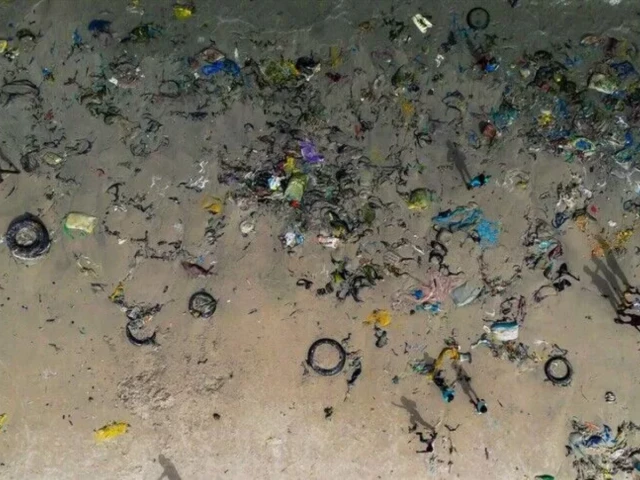
Detecting plastic waste underwater remains difficult. Much of the plastic entering the ocean eventually sinks to the seabed.
During tests using real seabed footage, DeepLitterAI identified both the type and quantity of litter. The system could detect objects that occupied only 5% to 10% of an image’s width.
Moreover, it successfully identified about 80% of major litter items. These included plastic bottles and polythene bags.
The system’s results differed from expert visual inspections by around 10%, according to the researchers.
AI Could Support Marine Cleanup Efforts
Ryota Nakajima, a biological oceanographer involved in the research, said the technology could help identify areas with high concentrations of marine waste.
“We can quickly identify areas where large amounts of waste accumulate and use this information to implement countermeasures,” Nakajima said.
The researchers believe faster detection could improve marine pollution monitoring. In addition, real-time analysis could help researchers track changes in seabed litter more efficiently.
DeepLitterAI therefore represents a potential new tool for understanding and tackling the growing problem of plastic pollution in the world’s oceans.












[…] Japan Develops AI System to Detect Plastic Waste on Seabed […]