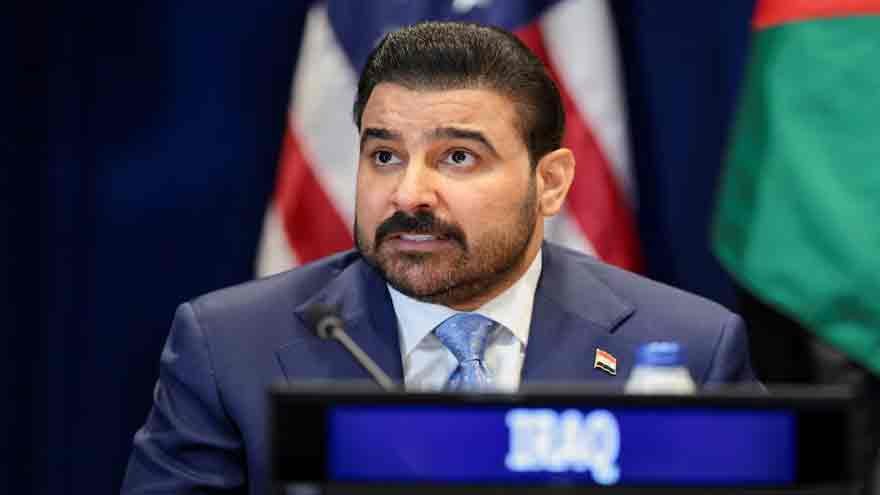
Iraq’s Prime Minister Ali al-Zaidi has ordered federal authorities to manage oilfields in four provinces under Kurdish security control. The decision could further strain relations between Baghdad and the semi-autonomous Kurdistan Region.
The move comes as Zaidi pursues action against Iran-aligned militia Kataib Hezbollah. Iraqi authorities have also accused senior officials of involvement in a major oil-smuggling network.
The dispute has revived longstanding disagreements between Baghdad and the Kurdistan Regional Government (KRG). These centre on oil revenues, territory, trade and control of border crossings.
Federal Government Targets Oilfields and Smuggling Routes
Zaidi’s order covers oilfields in Diyala, Kirkuk, Salahuddin and Nineveh provinces. It follows an investigation into alleged smuggling involving the state-run North Oil Company.
The investigation reportedly identified routes used to move oil from Kirkuk and Sulaymaniyah towards Iran and Afghanistan. According to Iraq’s state news agency, the oil came from fields operated by the North Oil Company.
Iran’s IRGC Claims Two Oil Tankers Caught Fire After Hitting Sea Mines
Authorities alleged that some of the production was diverted into illegal trade. Reuters said it could not independently verify the investigation’s findings.
The IRGC-aligned Kataib Hezbollah rejected the findings of the official investigation. Iran and Afghanistan had not issued immediate responses to the allegations.
Zaidi’s office said the directives aimed to protect national sovereignty and prevent the smuggling of Iraq’s resources.
Baghdad Moves to Control Kurdish Border Crossings
The prime minister also ordered federal authorities to take over all border crossings in the Kurdistan Region.
He directed the KRG to approve crude oil and petroleum product exports only through the federal Oil Ministry. The government also ordered the closure of unofficial border routes.
In addition, Zaidi removed the head of the Border Crossings Authority. He also suspended the North Oil Company’s director general and deputies pending further investigation.
The Khormala oilfield appears to fall within the scope of the order, according to people familiar with the matter. Kurdish authorities may resist any federal attempt to take over its management.
Kurdish Leadership Rejects Baghdad’s Decision
Kurdistan Region Prime Minister Masrour Barzani strongly opposed Baghdad’s latest directives. He described the decisions as baffling and said they were “in no way acceptable.”
Barzani said discussions with federal delegations had suggested that outstanding disputes would be resolved under the constitution. He criticised the difference between those discussions and the latest government orders.
Some Kurdish residents also expressed concern about the federal government’s plans. Salih Sindi, a retired Kurdish fighter, said he viewed the measures as an attempt to take control of oilfields and border facilities.
Longstanding Disputes Over Oil and Autonomy
Relations between Baghdad and the KRG have remained strained for years.
In 2017, the Kurdistan Region held an independence referendum. Baghdad and regional powers strongly opposed the vote. Federal forces later retook Kirkuk and other disputed areas.
Another dispute over independent Kurdish oil sales halted pipeline exports to Turkey for more than two years. The two sides agreed to resume shipments in September 2025.
The absence of a comprehensive oil and gas law continues to complicate relations. Analysts warn that the latest directives could trigger further political and constitutional disputes.
Zaidi Faces Pressure from Powerful Groups
The oilfield decision forms part of a broader effort by Zaidi to strengthen federal authority. His government is also pursuing action against Kataib Hezbollah over alleged oil smuggling.
The militia is one of several Iran-aligned armed groups with significant political influence in Iraq. It has rejected the investigation’s findings.
Zaidi’s campaign places his government in a difficult position. Both the militia network and Kurdish leadership have built substantial influence over many years.
Analysts say Iraq needs greater political and economic stability to attract large-scale investment. However, enforcing the latest measures could deepen existing tensions.
The directives mark a significant attempt by Baghdad to expand federal control over oil resources and border trade. Their implementation will depend on how Kurdish authorities and other powerful groups respond.